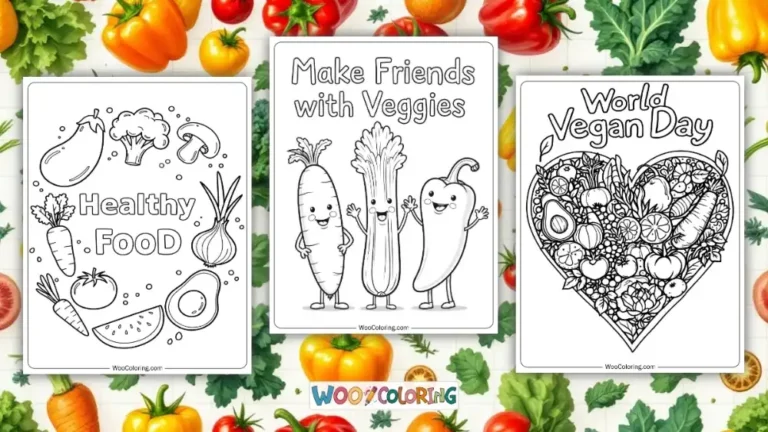
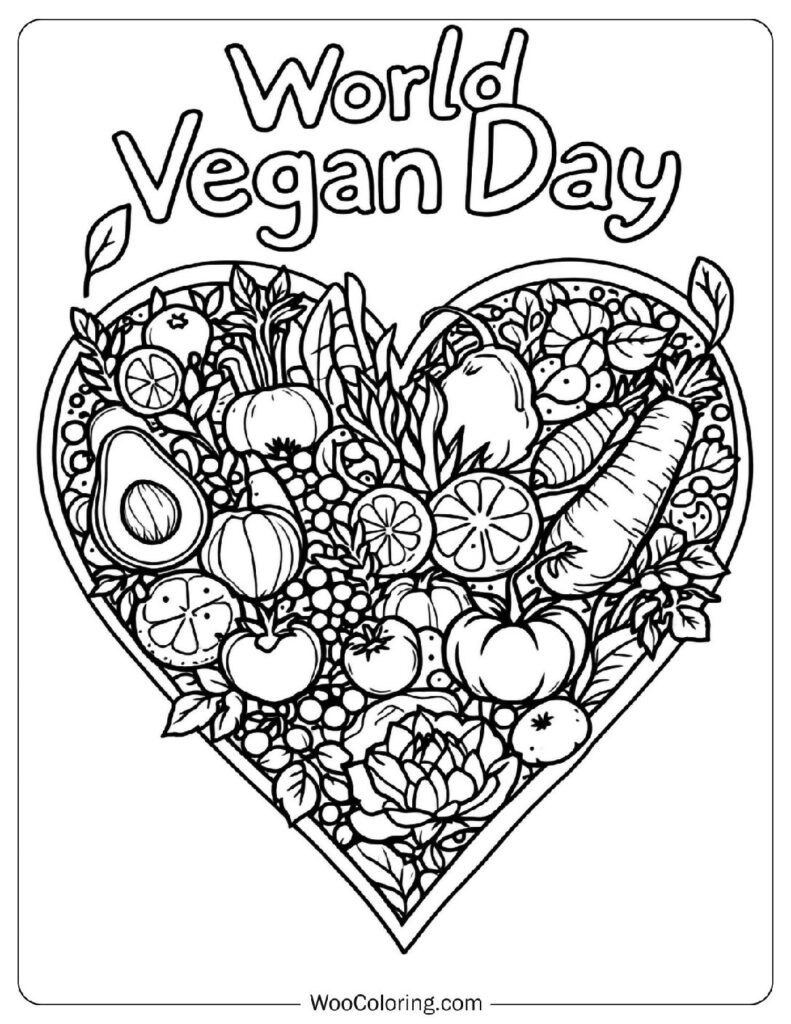
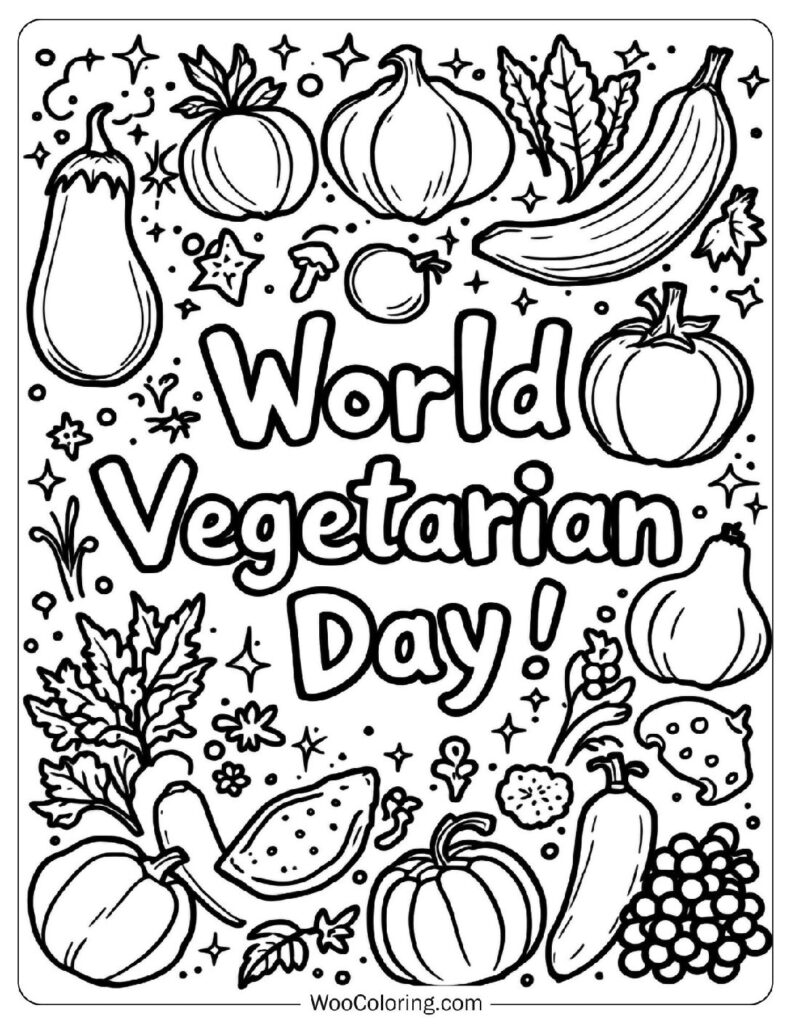
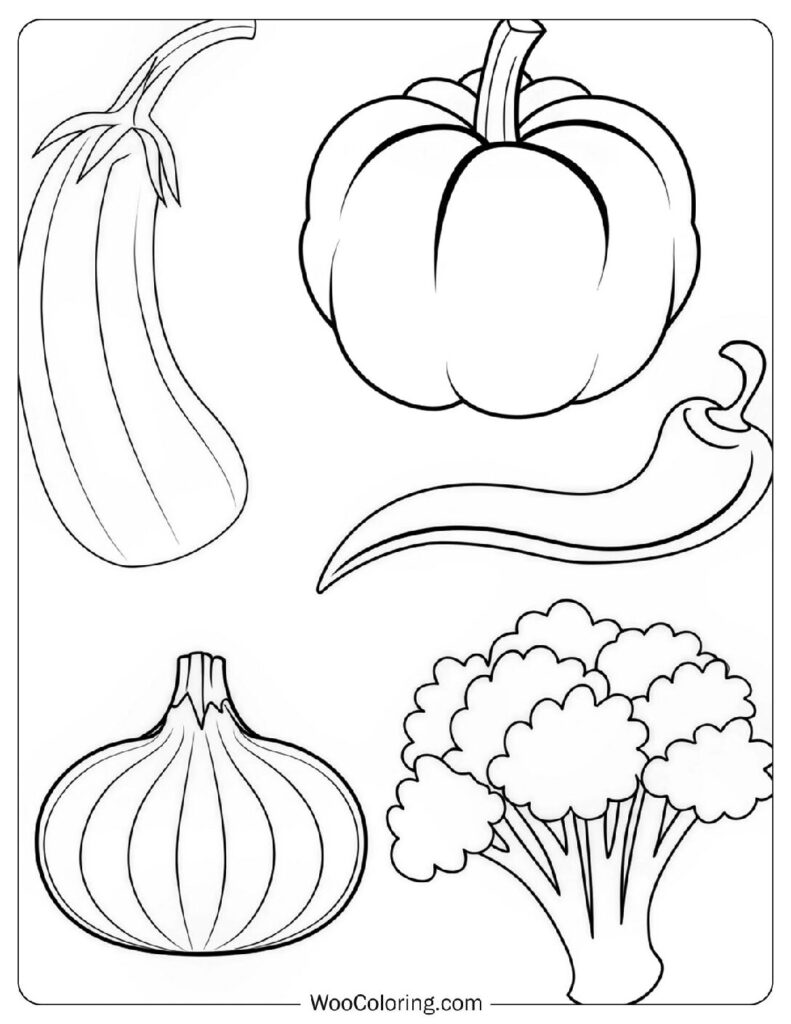
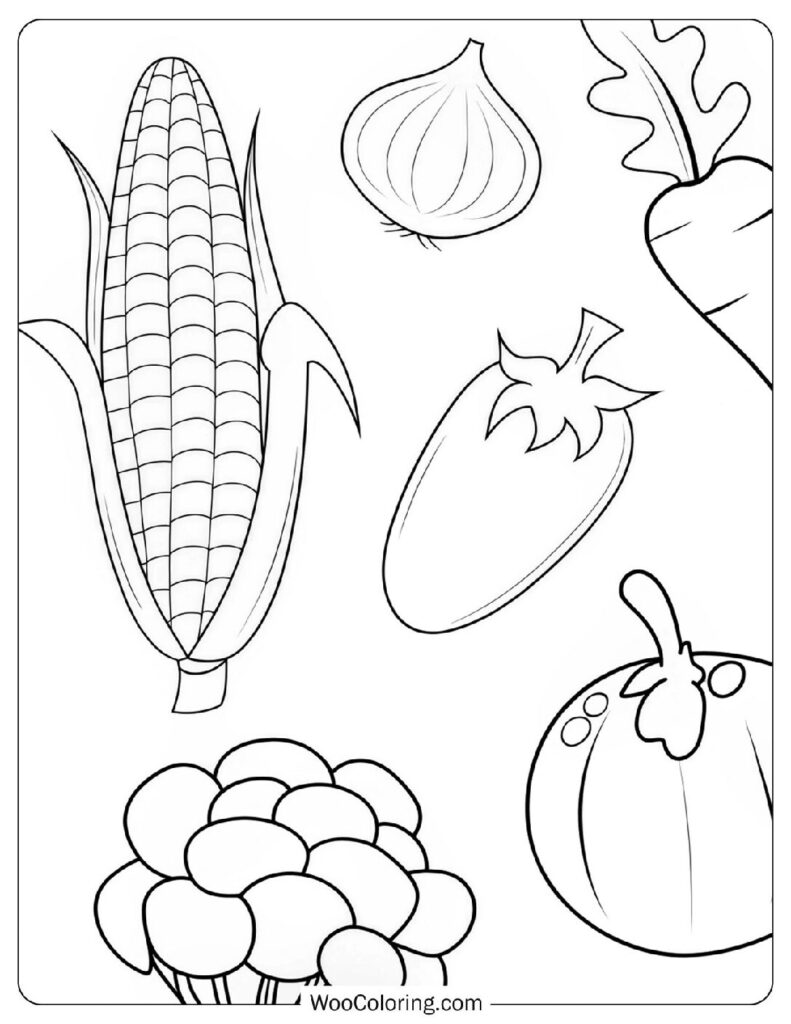
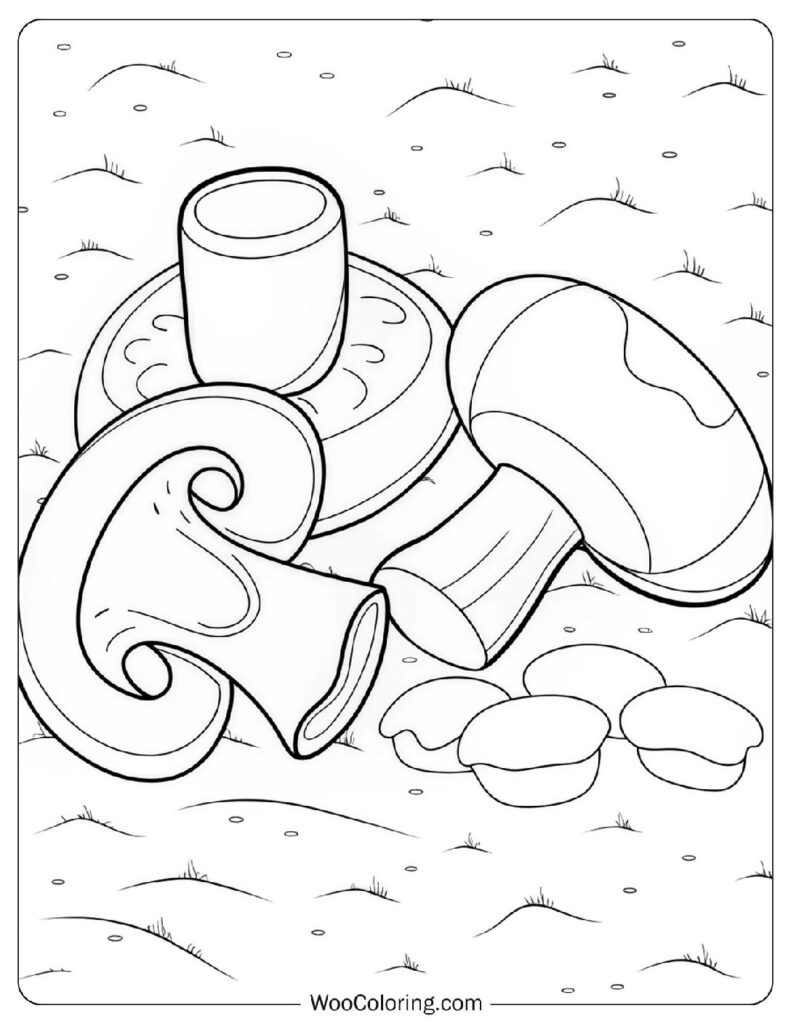
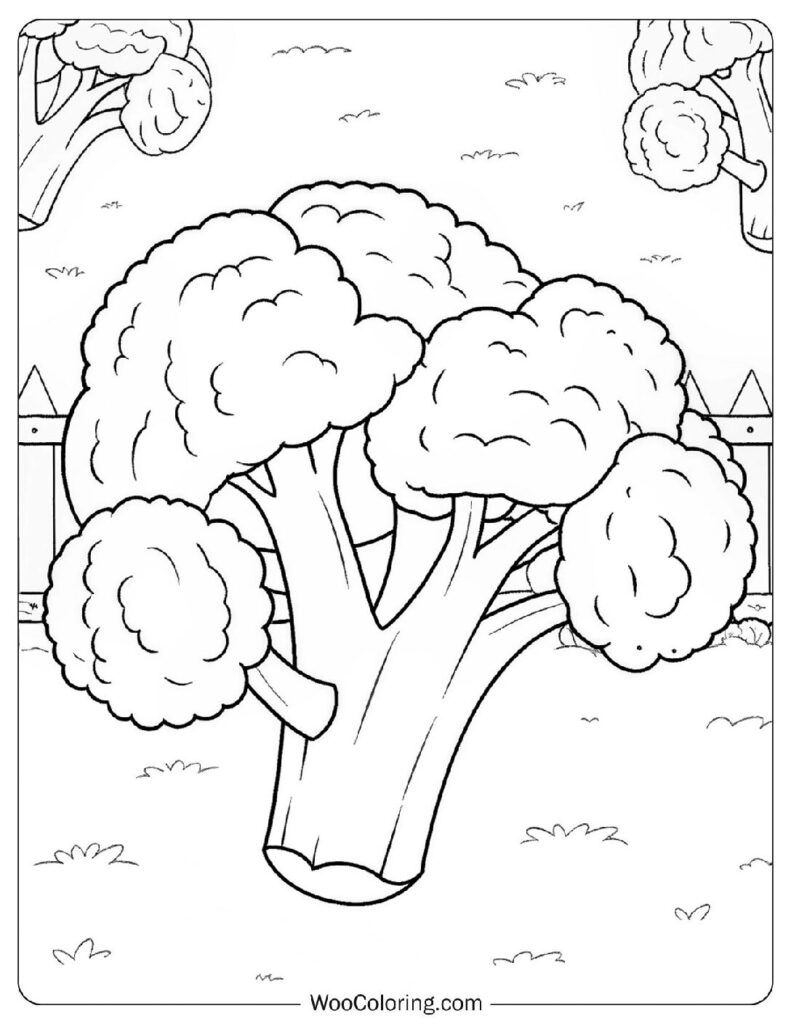
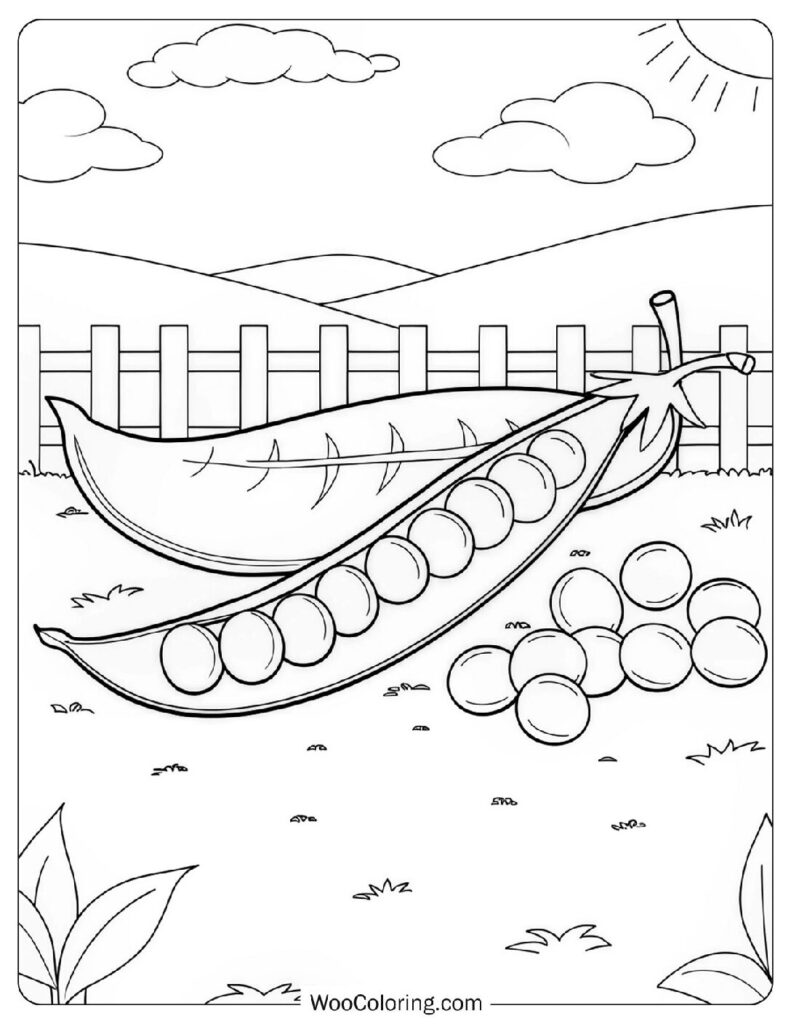
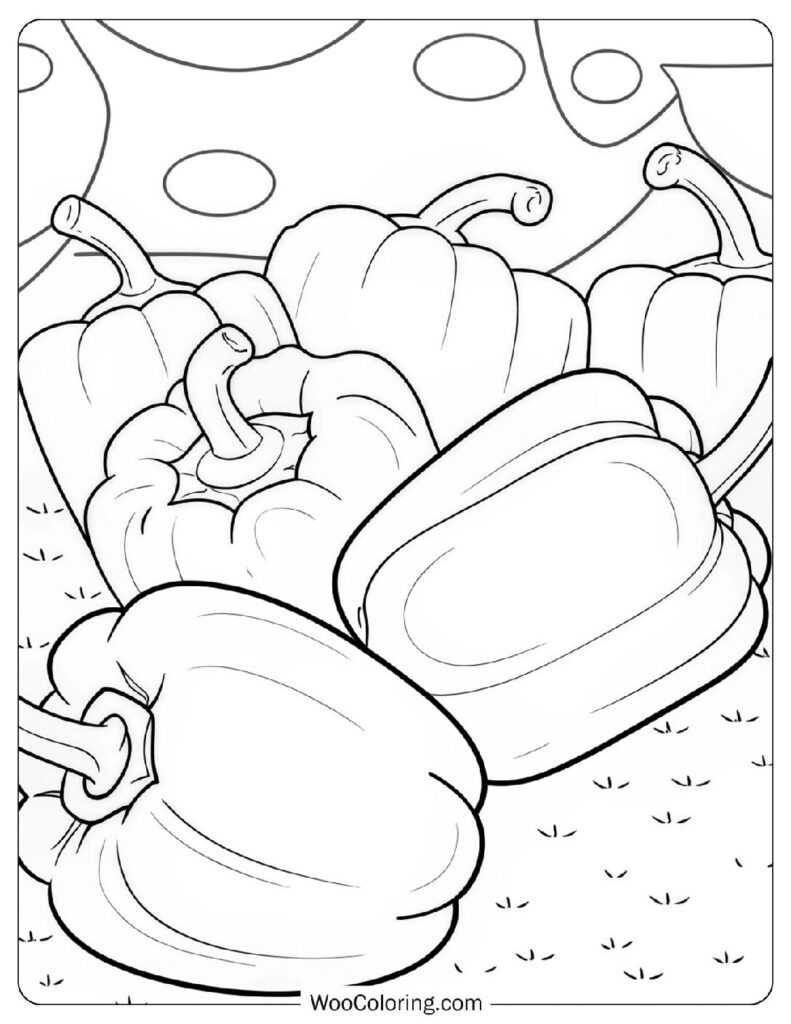
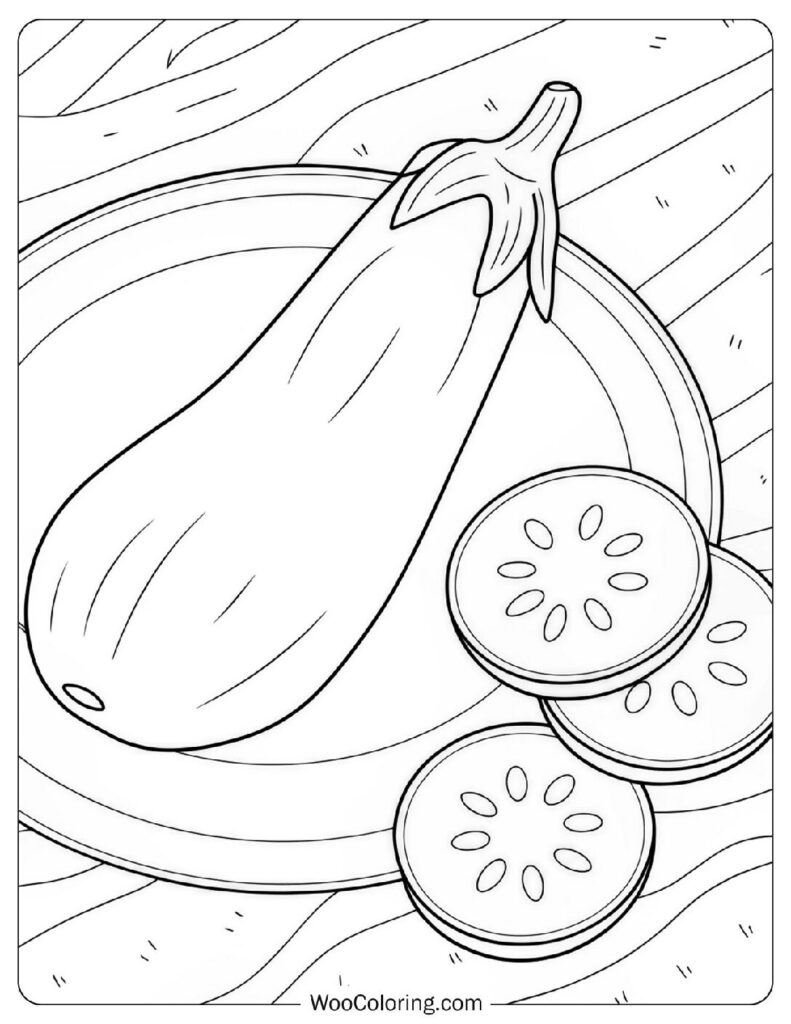
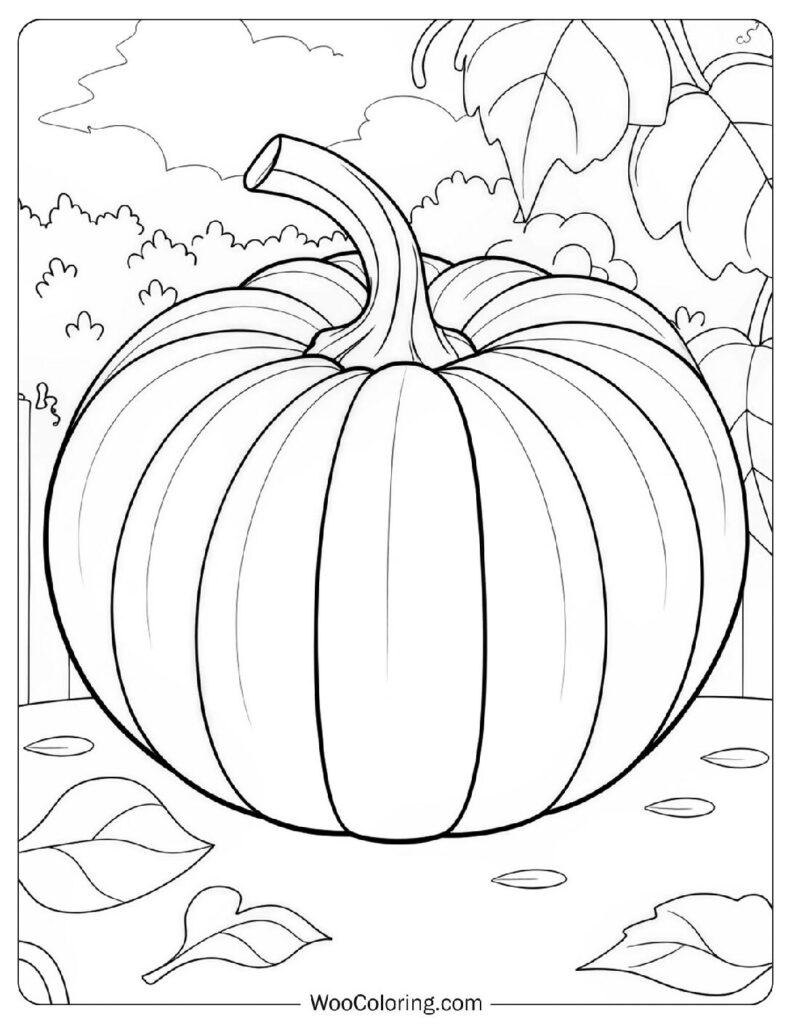
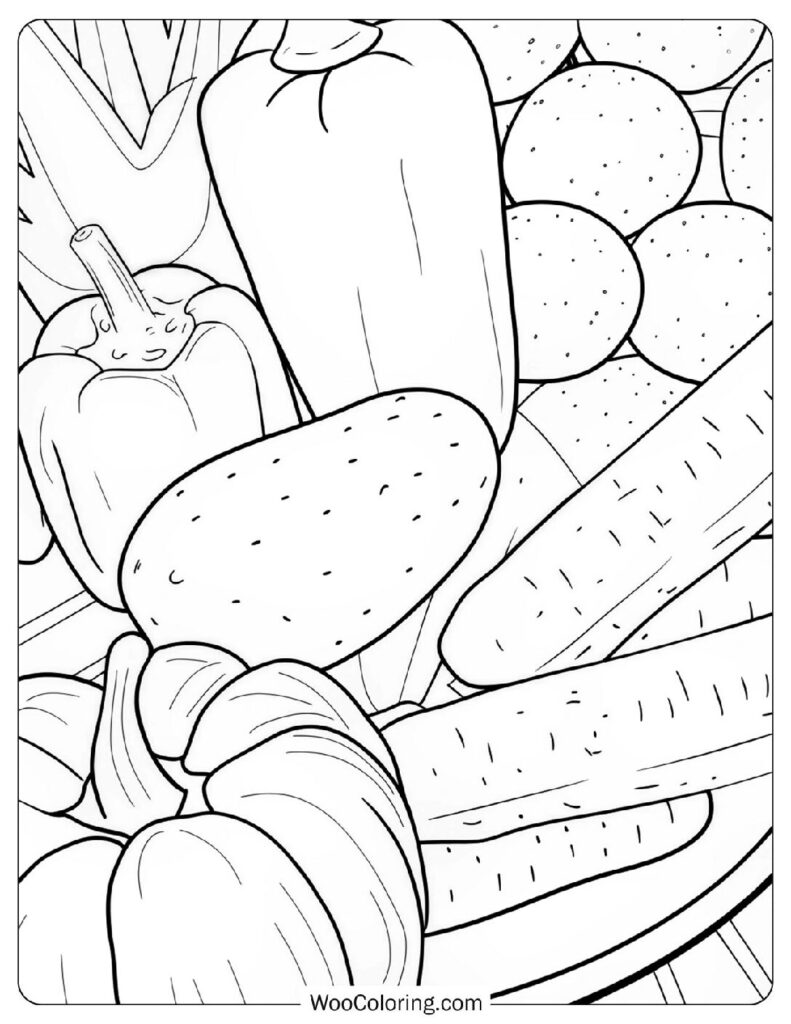
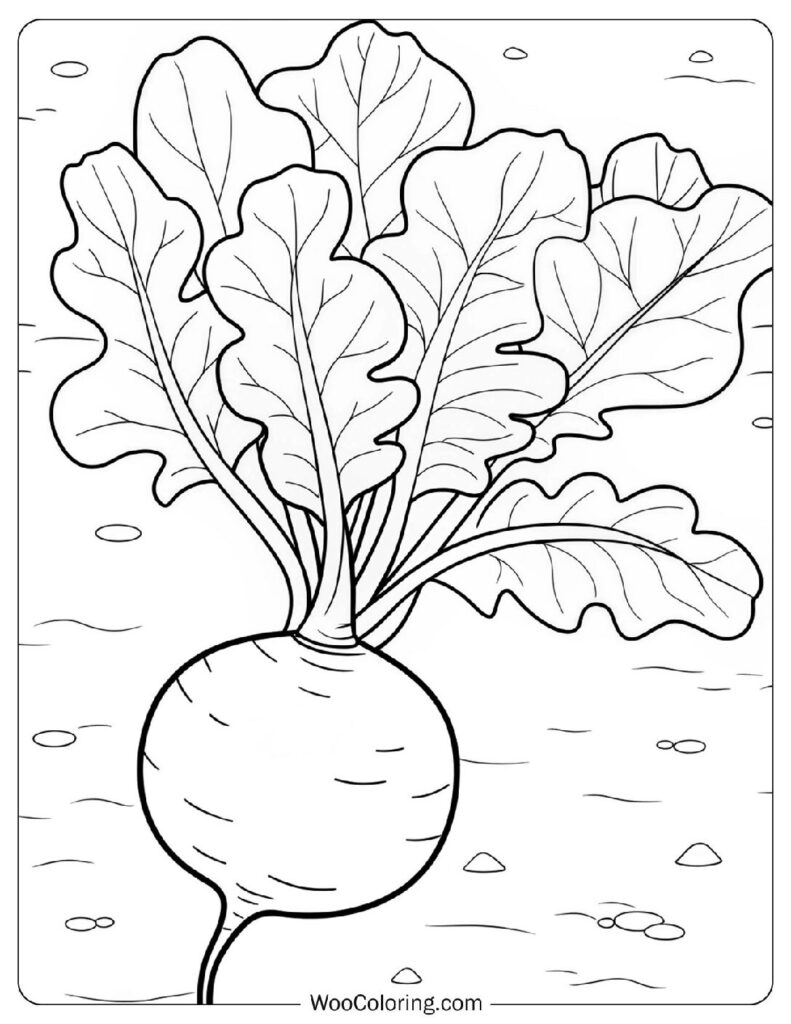
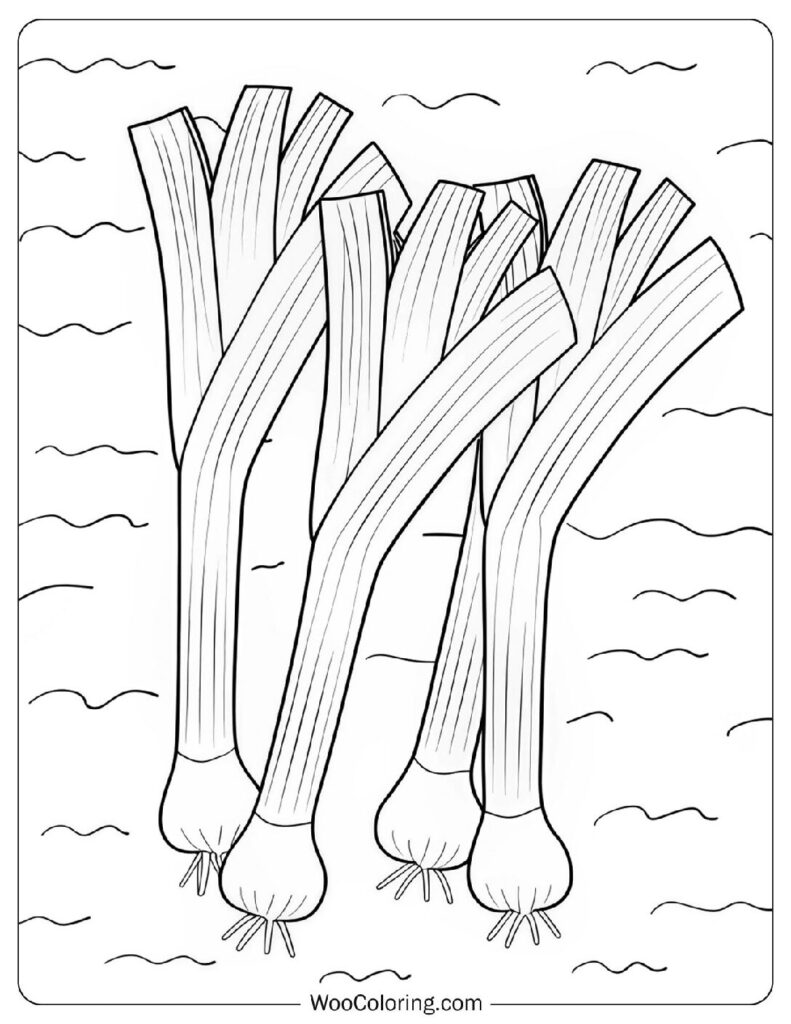
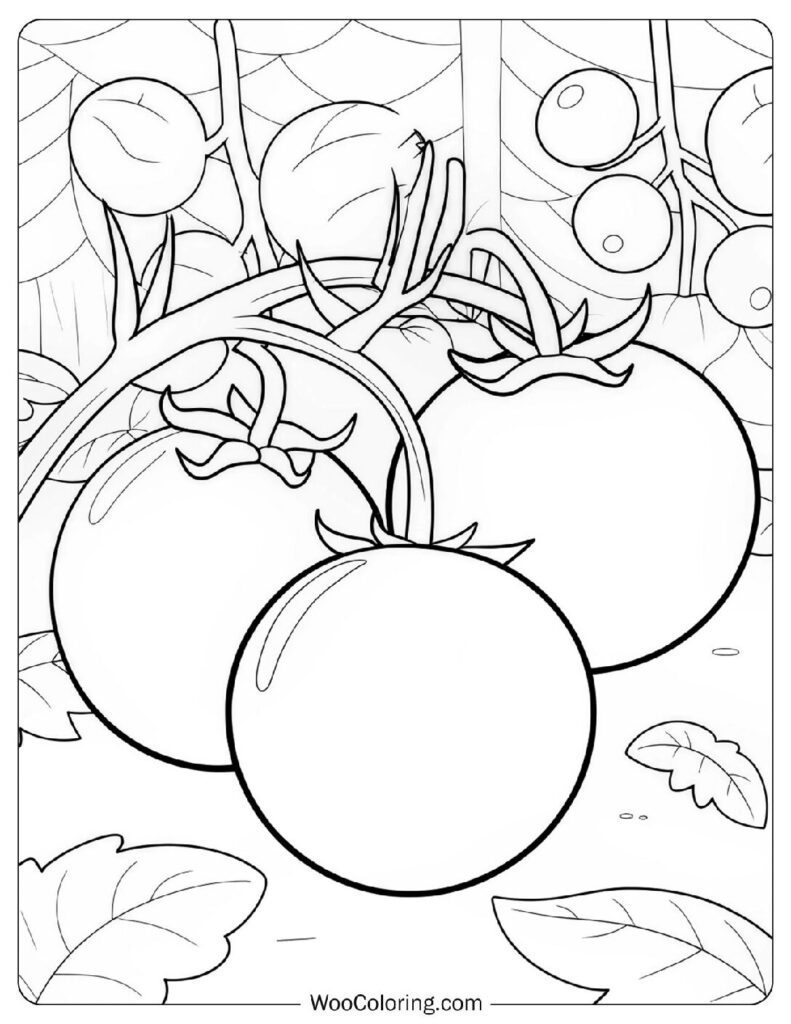
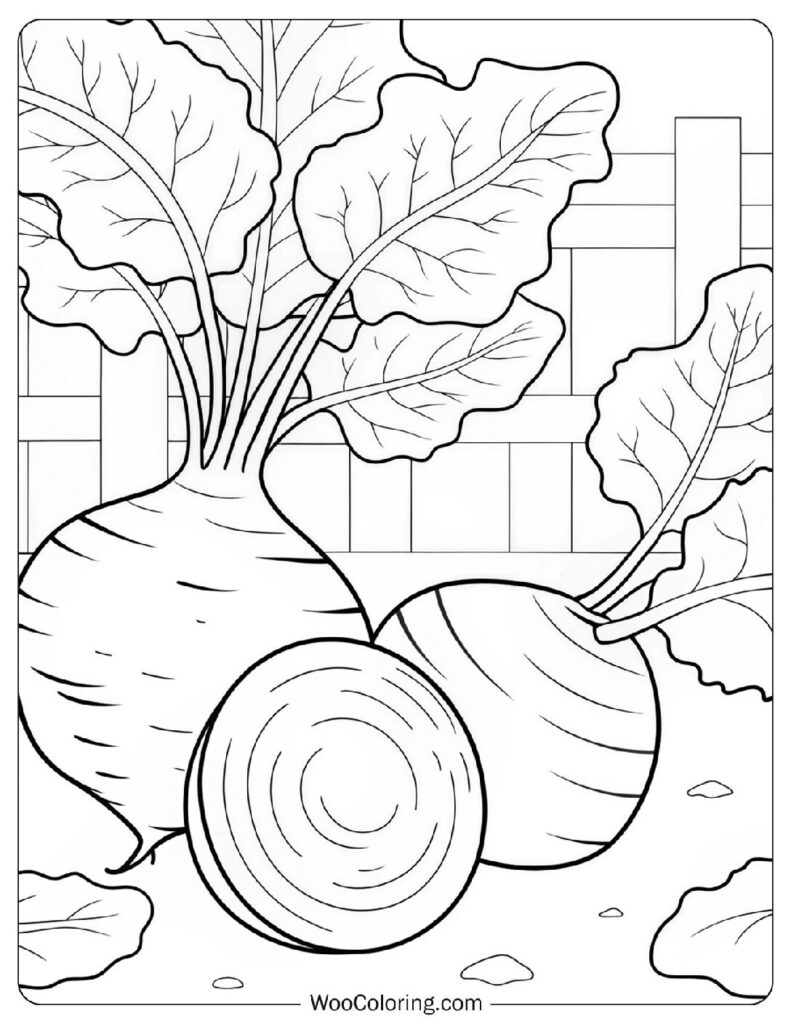
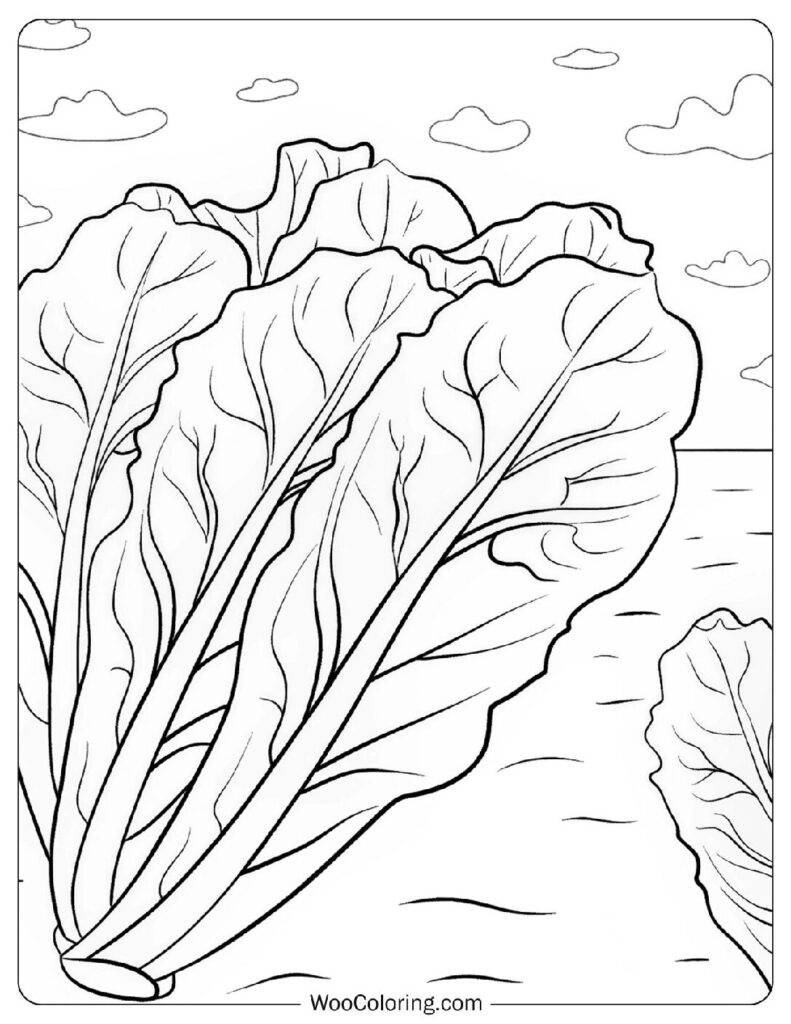
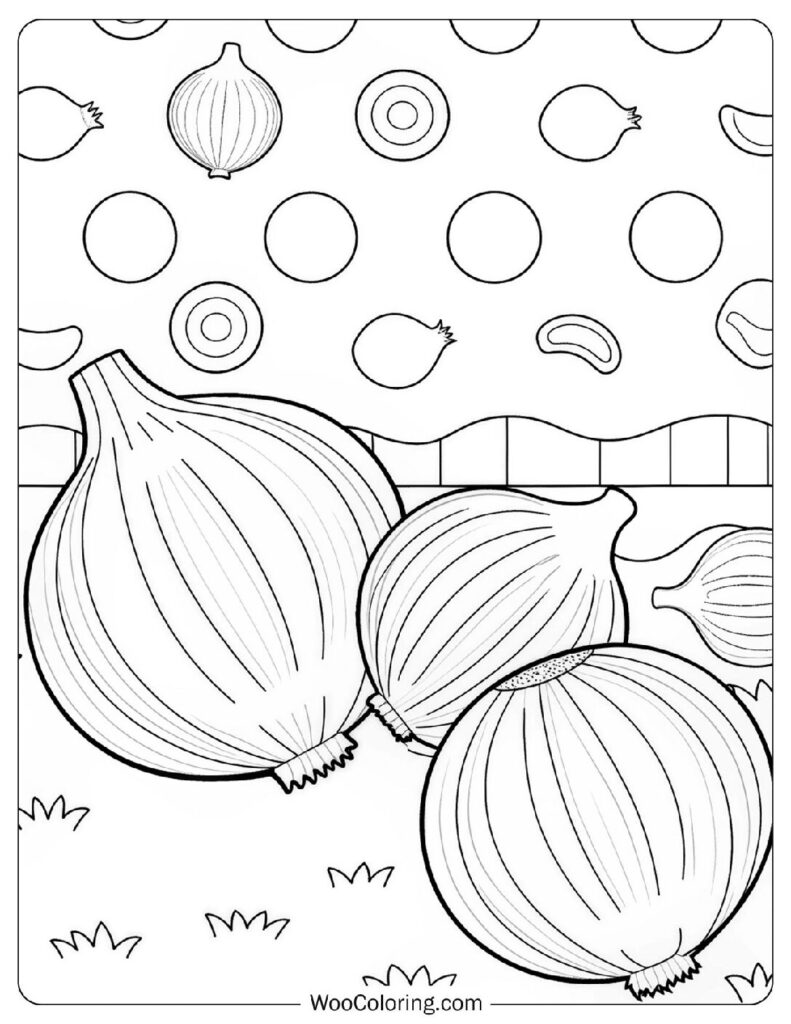
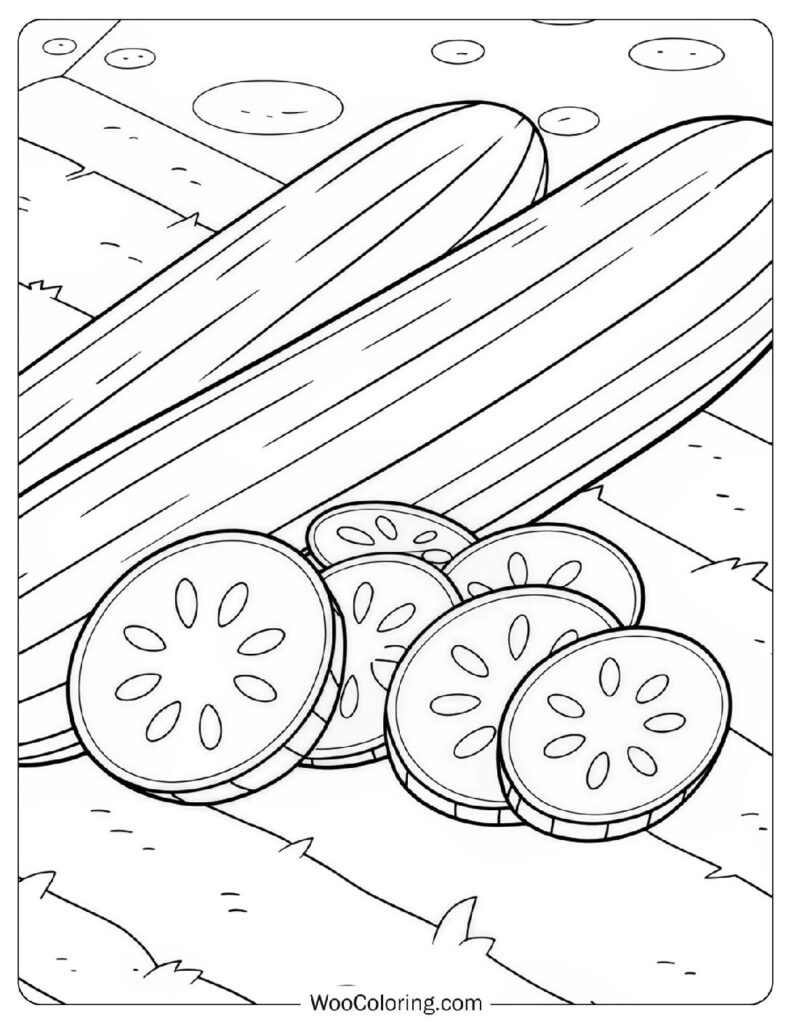
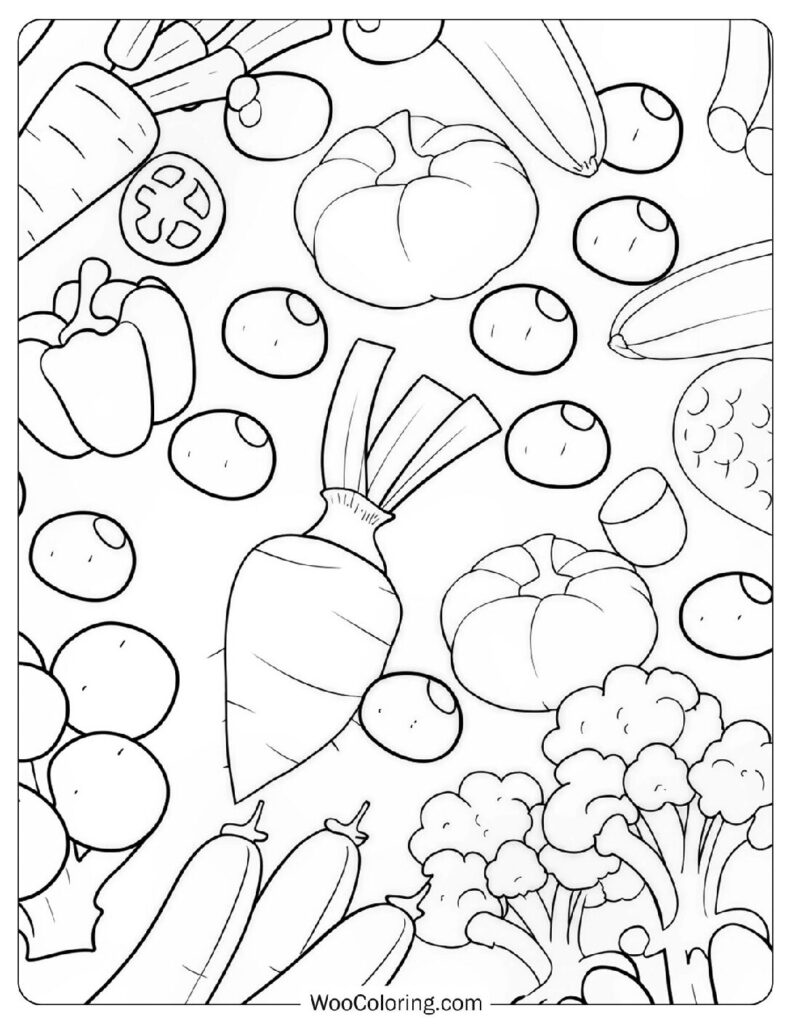
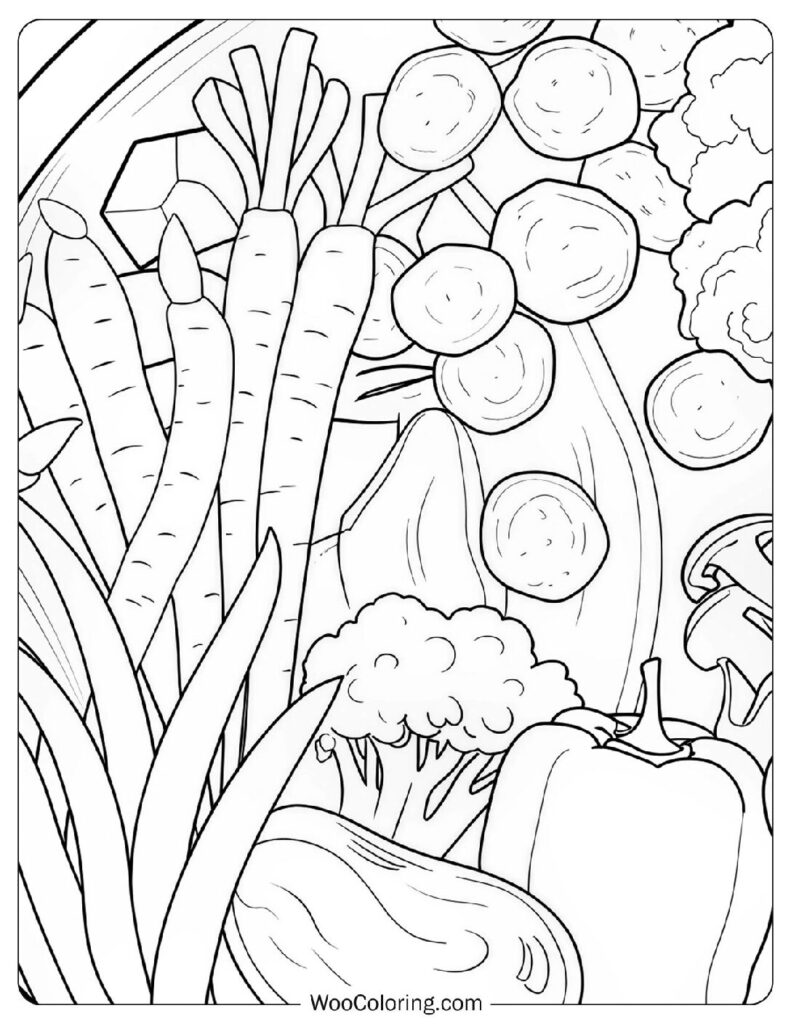
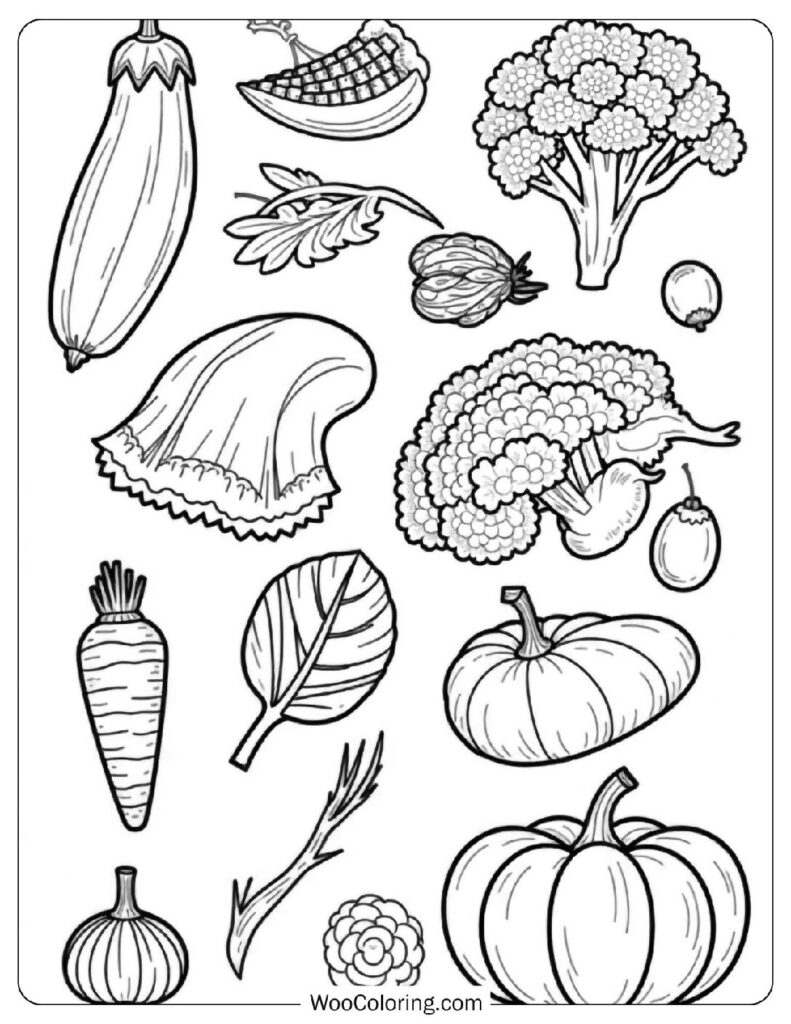
I love the variety in these coloring sheets! You’ll find illustrated popular veggies like cheerful corn, plump tomatoes, crunchy carrots, and funky mushrooms just waiting for your artistic touch. There are also pages with playful onions, bright peppers, and fun pumpkins that make coloring enjoyable for everyone. These friendly vegetables turn the experience into a vibrant adventure, making each page a tasty treat to color! The Vegetable coloring pages are designed to fit standard printing sizes, and I’m excited to say that I regularly refresh the collection with new coloring sheets. So grab your favorite colors and dive into some fun!
Cute Vegetable Drawing: Create Your Own Coloring Page
Drawing a Cute Vegetable is a delightful way to express creativity and develop artistic skills. By taking the time to create my own cute coloring page, I can transform simple shapes into a charming character. This tutorial will guide me through each step, allowing me to craft a unique piece that resonates with my style. Not only will I learn the basics of Vegetable drawing, but I’ll also discover how to bring personality to my artwork. Join me on this fun journey to enhance my drawing techniques and create a memorable coloring experience! Are you searching for even more exciting coloring activities that kids adore? Explore these popular collections of free printable coloring pages for endless fun and creativity!
Drawing Instructions
Outline the Vegetable Shape
I start by examining the first image, which showcases the basic shape of my Cute Vegetable. I sketch a rounded form that evokes a friendly vibe, ensuring that the outline is smooth and flowing. The distinct top shape represents the leaves, giving it an organic feel. Keeping the lines light allows easy adjustments later. This initial outline lays the foundation for adding more details, so I focus on getting the shape just right.
Add Facial Features
Next, I reference image two to introduce the facial features. I draw two large circular eyes to enhance the cute aspect of my Vegetable. The cheerful smile is essential, and I include a slight curve to represent the mouth, along with a small tongue for added charm. The placement of these elements contributes significantly to the character’s friendliness, making it more relatable and appealing.
Refine the Eyes and Add Expressions
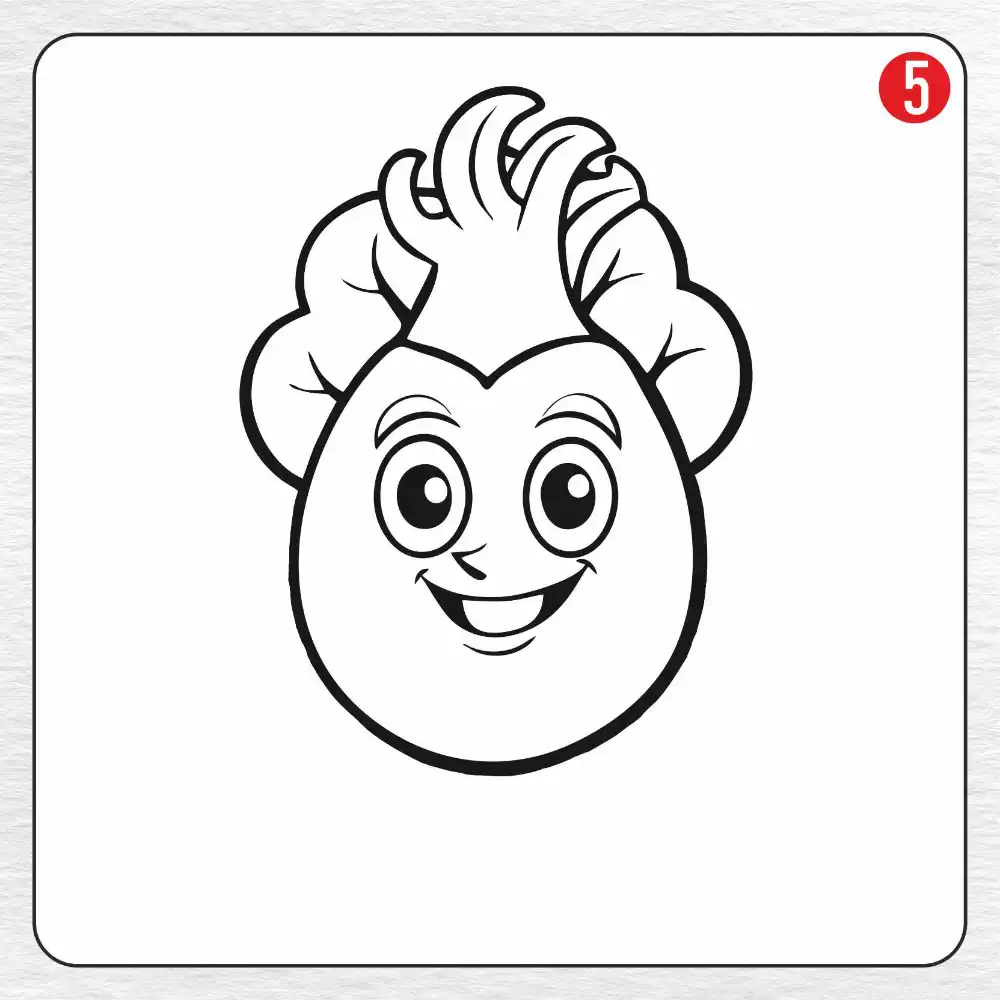
Following image three, I work on refining the eyes. I add inner circles for the pupils and highlight spots to give them life. The eyebrows are also drawn above the eyes to depict a playful expression. Small details, like eyelashes or blush marks on the cheeks, can give my Cute Vegetable personality. It’s about ensuring the eyes convey emotion, making my character feel more alive and engaging.
Incorporate the Vegetable’s Hair
Next, I look at image four to add the hair. The hair resembles the leafy top of a vegetable, so I create wavy lines extending from the head. This detail is crucial for the overall appearance, as it makes the Vegetable instantly recognizable. I ensure the hair features curves and swirls, adding a fun and quirky touch to my character.
Outline the Body and Arms
Moving on to image five, I outline the body and arms. I sketch rounded arms that add to the overall cuteness, positioning them in a friendly gesture, like waving. The arms should complement the round shape of the body. To maintain an appealing look, I keep the details simple yet effective, placing careful consideration into the overall balance of the character.
Finalize the Outline and Add Gloves
In image six, I focus on polishing the outline. I add details like small gloves on the Vegetable’s hands. The gloves offer a playful contrast to the vegetable features. I go over the lines once more to ensure everything is defined and even. I clean up any unnecessary marks to prepare my drawing for coloring later.
Draw the Legs and Shoes
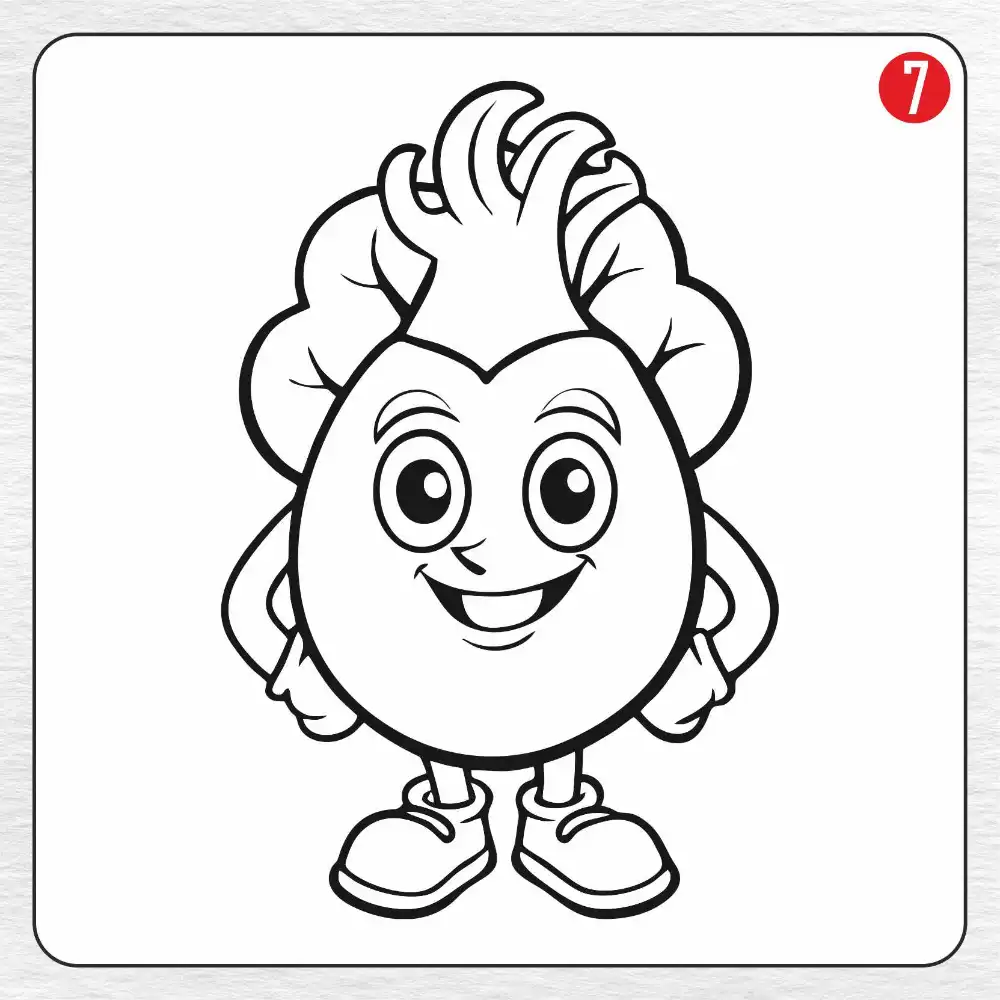
Next comes the legs, as shown in image seven. I sketch two legs that are bent slightly at the knees, giving the impression of motion. I add cartoonish shoes at the bottom. The shoes should be fun and easy to draw, enhancing the cute factor. This stage is about ensuring the legs are proportionate to the body while adding a dynamic finish.
Color Your Cute Vegetable
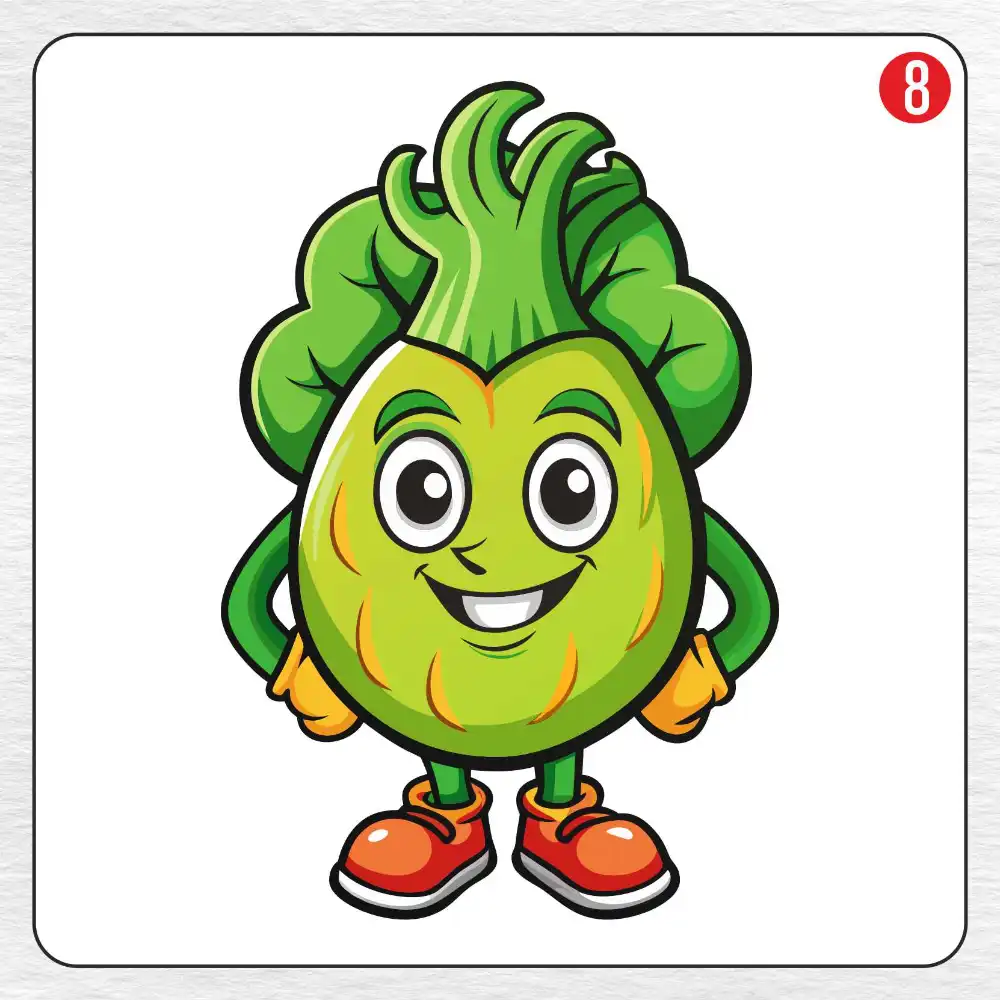
Finally, I refer to image eight to select colors. I choose bright greens for the body and vibrant colors for the shoes to make the character pop. Earth tones can be used for shadows to add depth. Blending colors across the body will give my Cute Vegetable a smooth, lifelike appearance. Experimenting with different hues can result in an even more personalized touch!
Add Personal Touches to Your Coloring Page
Now that my Cute Vegetable drawing is complete, I can add personal touches to make it uniquely mine. Including background elements such as flowers or other vegetables enhances the overall scene. Using techniques like blending with soft colors or adding outlines can also elevate my artwork. This is how I create cool coloring pages for myself and for others. By choosing colors that resonate with my personality, I can truly make my own coloring book filled with fun!
10 Creative Exercises with Vegetable Coloring Pages
Vegetable coloring pages offer a delightful way to engage with art while promoting healthy eating habits. By incorporating these pages into fun exercises, I can stimulate creativity and learning. From DIY projects to simple activities, each exercise enhances the coloring experience. These detailed activities encourage exploration of colors, shapes, and nutrition, making learning a joyful experience. Here are ten creative exercises to try using printable vegetable coloring pages.
1. Colorful Salad Creation
Gather several printable vegetable coloring pages and color a variety of vegetables. Once colored, cut them out and arrange them into a colorful salad on paper. This exercise promotes creativity in both art and food presentation, making it an enjoyable DIY activity. Encourage others to think about healthy ingredients while working on this project, and discuss the nutritional benefits of each vegetable as you create your salad masterpiece.
2. Vegetable Pictionary
Use printable vegetable coloring pages as prompts for a game of Pictionary. Each participant selects a coloring page, colors it, and then tries to draw a simple representation of that vegetable for others to guess. This exercise not only enhances drawing skills but also fosters teamwork and communication. It’s a lively activity perfect for groups, allowing everyone to engage in a fun, competitive way while enjoying their crafted vegetable drawings.
3. Farm-to-Table Story
After coloring a vegetable page, write a short story about how that vegetable grows from seed to table. This creative exercise encourages imaginative writing and deepens knowledge about food sources. It can involve simple concepts suited for younger kids or detailed narratives for older children, blending art and literacy. Sharing these stories can create discussions about healthy eating and where our food comes from, enriching the learning experience.
4. Color Coordination Game
Use vegetable coloring pages to create a color matching game. Color different vegetables and then gather various colored objects around the house to match with the colored veggies. This exercise stimulates both color recognition and categorization skills. It’s a simple yet engaging DIY game that can be enjoyed individually or with family, introducing a playful way to learn about colors while connecting art to real-life objects.
5. Nature Collage
Color a series of vegetable pages, cut them out, and create a nature collage. Incorporate elements like leaves or flowers from your yard to enhance the design. This exercise combines art with nature appreciation, encouraging exploration and tactile experiences. It involves detailed crafting and inspires conversations about gardening and the roles of different vegetables. Displaying the finished collage can spark conversations about healthy eating and the beauty of nature.
6. Cooking Challenge
Color different vegetables using a printable page, and then prepare a simple recipe with those vegetables. This hands-on exercise merges art with cooking, promoting healthy habits in a fun way. Discuss the recipes while coloring, emphasizing the nutritional value of each vegetable chosen. Involving everyone in the cooking process can create a vibrant atmosphere of learning and teamwork, transforming art into delightful culinary experiences.
7. Herb Mix Match
Design a matching game using vegetable coloring pages. Color different pages representing vegetables and their herbs, cut them into cards, and create pairs. This exercise enhances memory and recognition skills, while also introducing participants to the culinary pairing of vegetables and herbs. It’s a simple, fun DIY project that promotes learning through play, making the process both educational and entertaining.
8. Garden Planning
Create a garden layout using colored vegetable pages. Draw out your dream garden, placing each colored vegetable in the desired location. This exercise sparks interest in gardening, teaching layout planning and plant care. It allows an opportunity to discuss which vegetables grow well together, fostering connections to nature and food production. It’s a detailed planning activity that connects art with practical life skills.
9. Nutrition Facts Hunt
Color a page featuring various vegetables, then research each vegetable’s nutritional facts. Create a fun poster displaying the facts alongside the colored images. This exercise blends creativity with educational research, fostering an understanding of nutrition. It encourages kids to learn about what they consume and how it benefits their health. Sharing this information can encourage discussions about healthy eating, helping reinforce positive habits.
10. Seasonal Vegetable Chart
Choose different vegetable coloring pages to create a seasonal vegetable chart. After coloring, categorize the vegetables by their growing seasons and display them. This exercise teaches about seasonal eating and sustainable practices. It’s a simple yet detailed project that can help foster an appreciation for gardening and fresh ingredients, reinforcing the connection between art, nature, and healthy living.