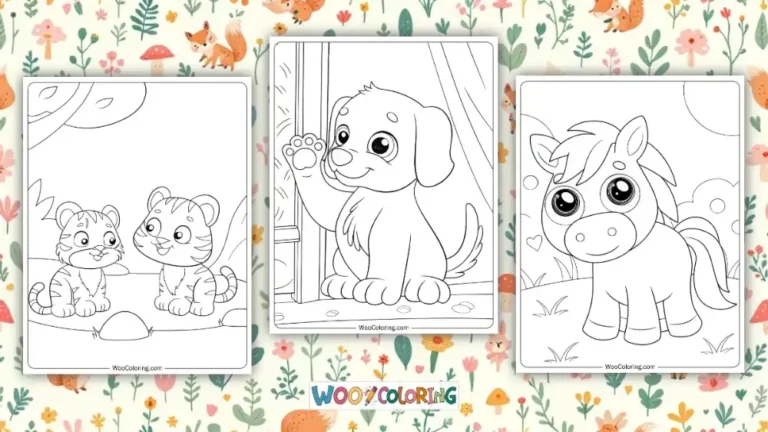
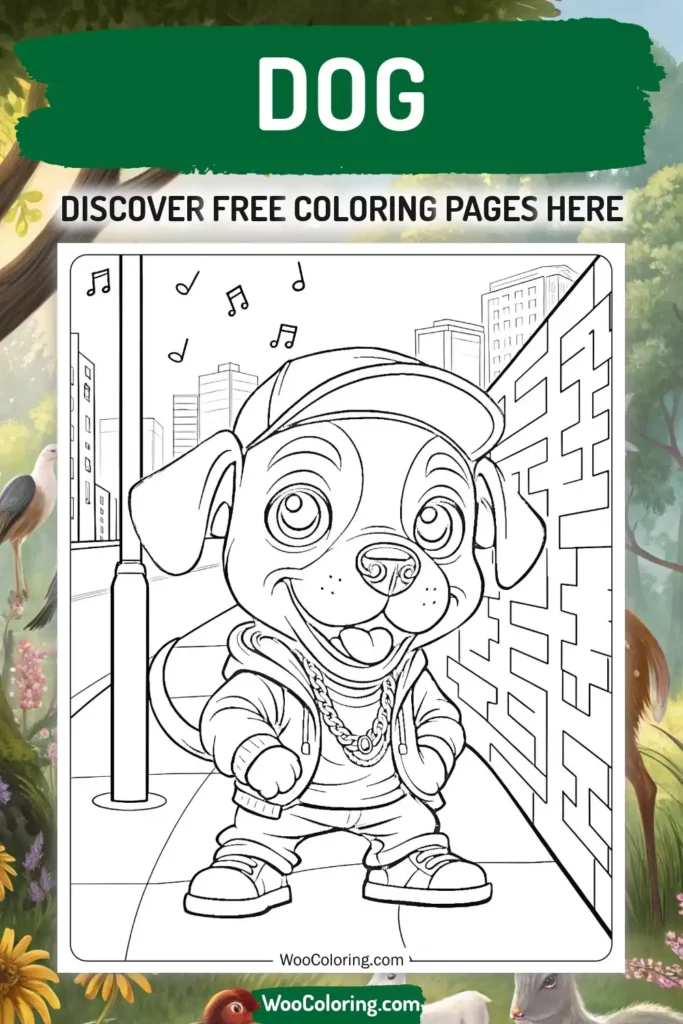
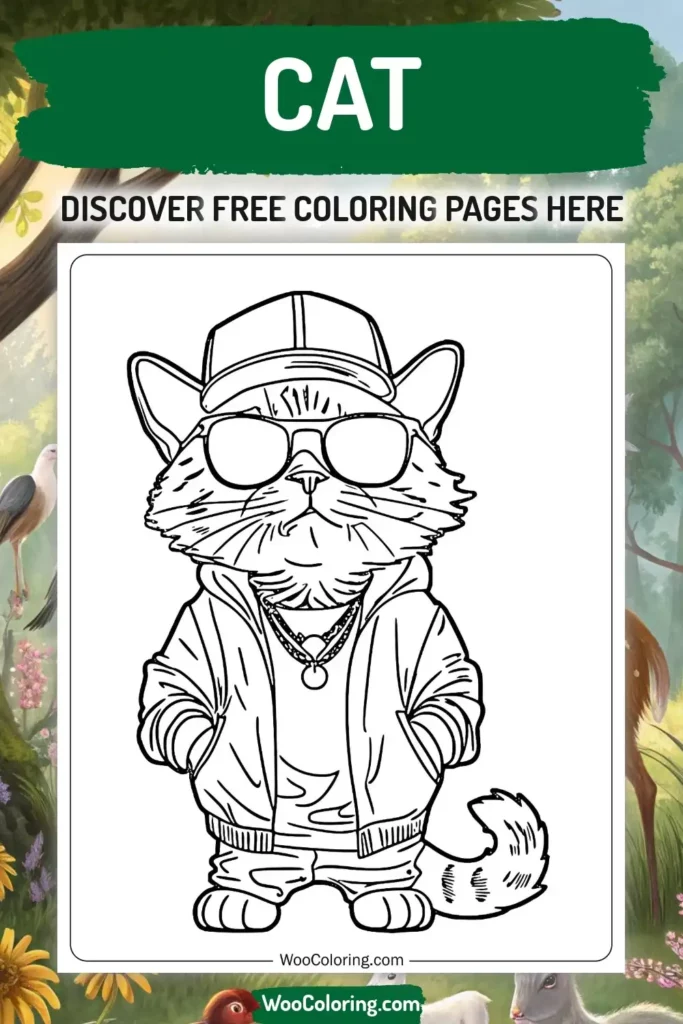
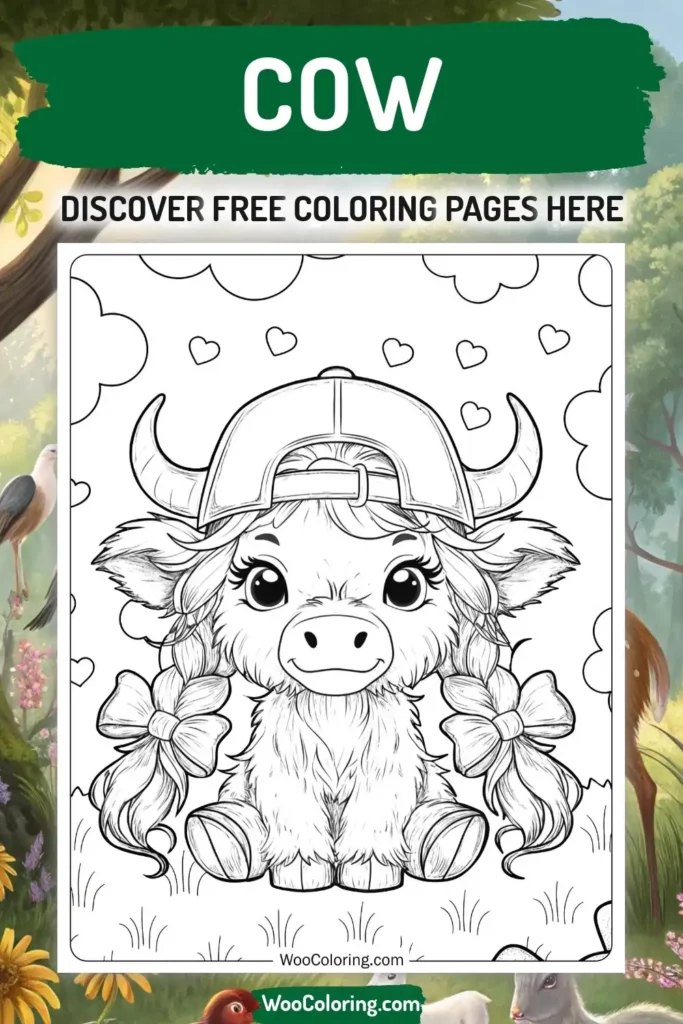
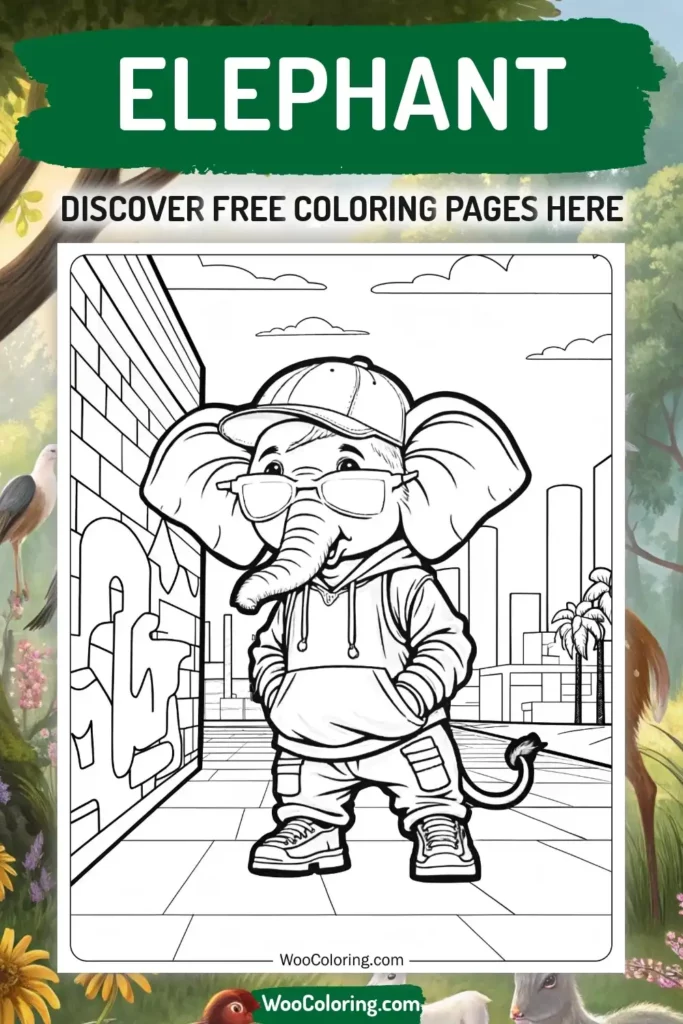
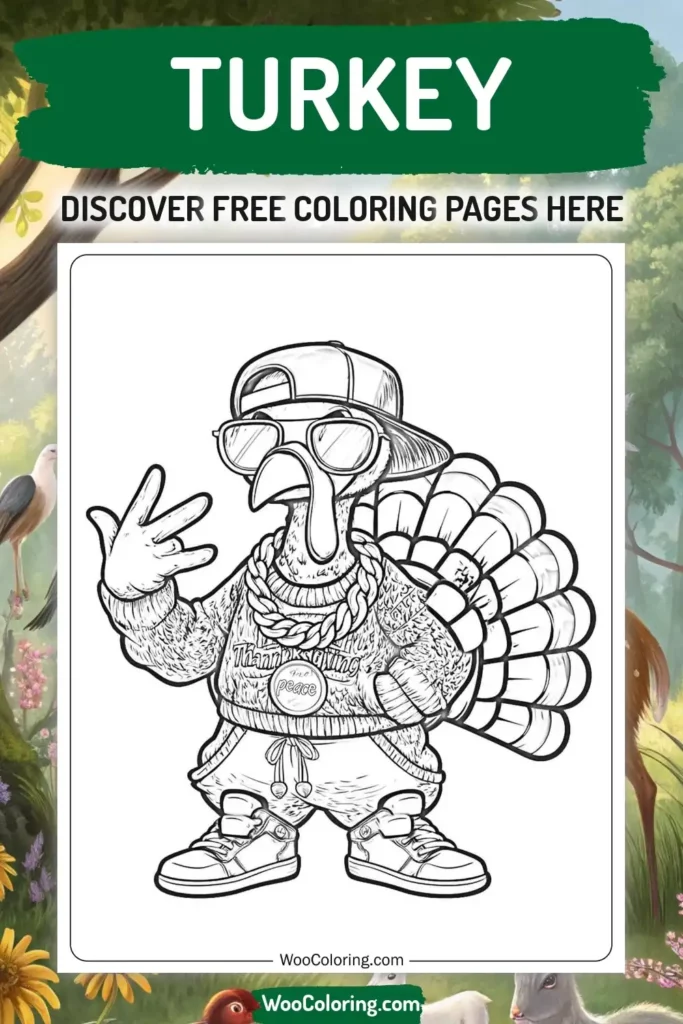
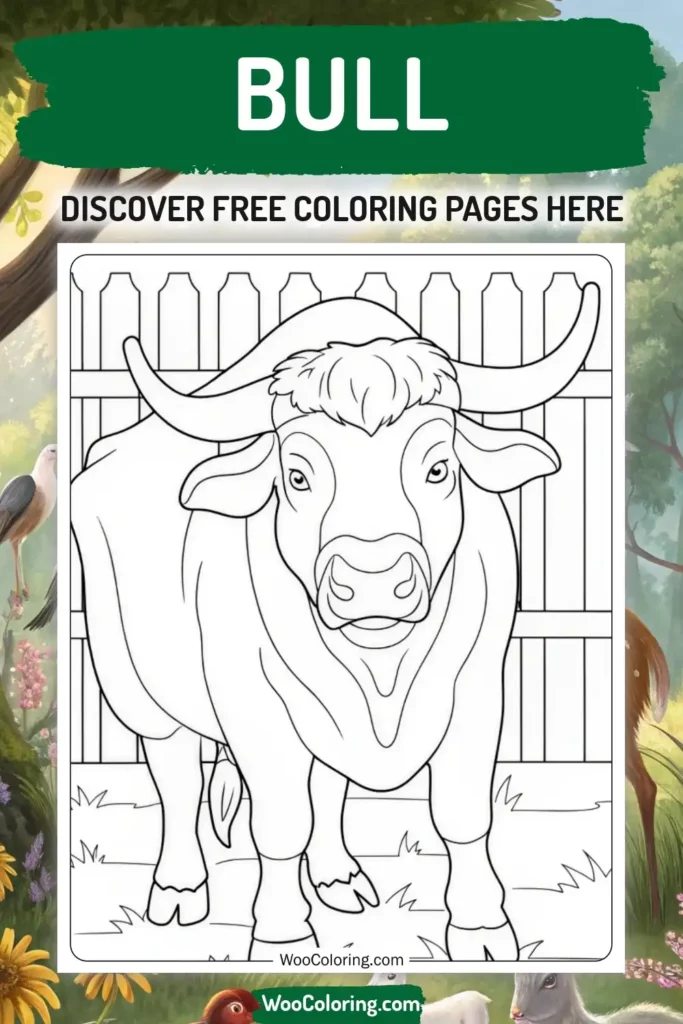
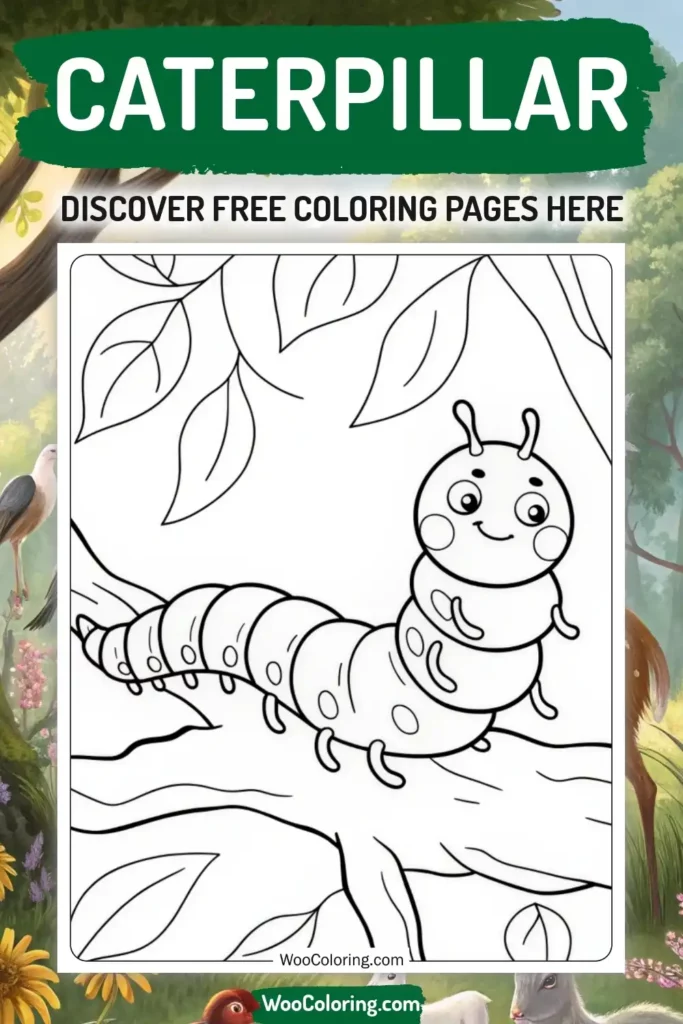
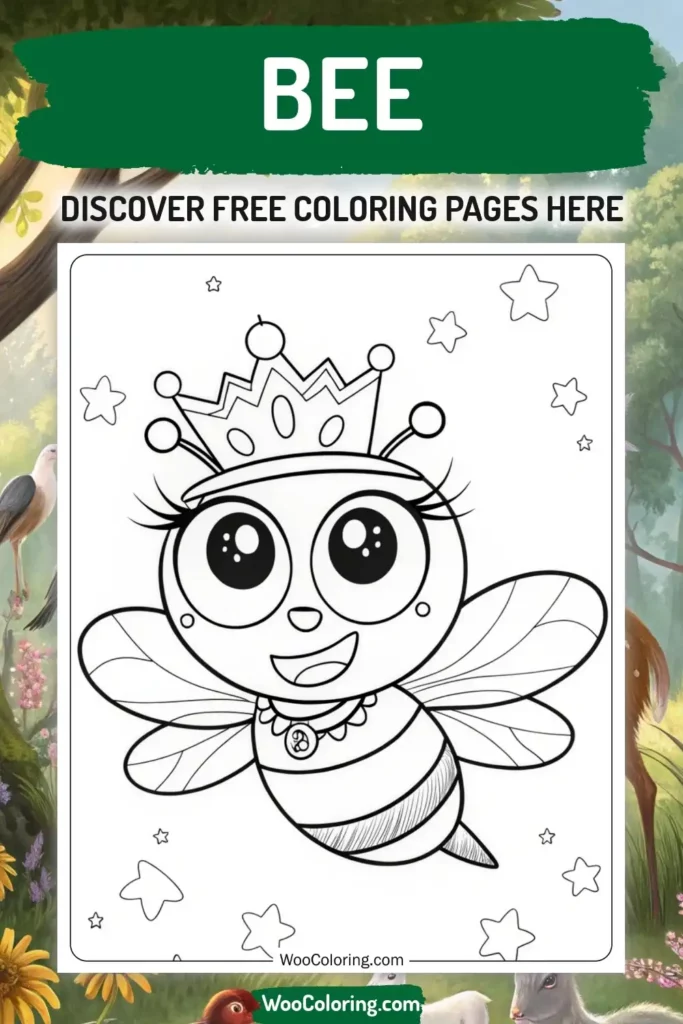
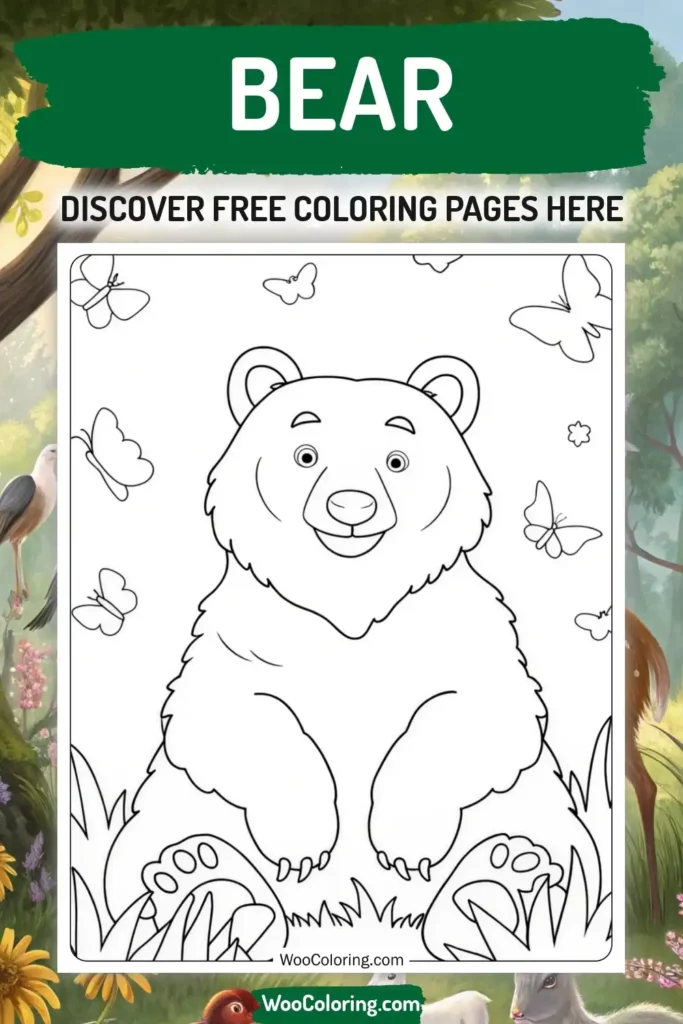
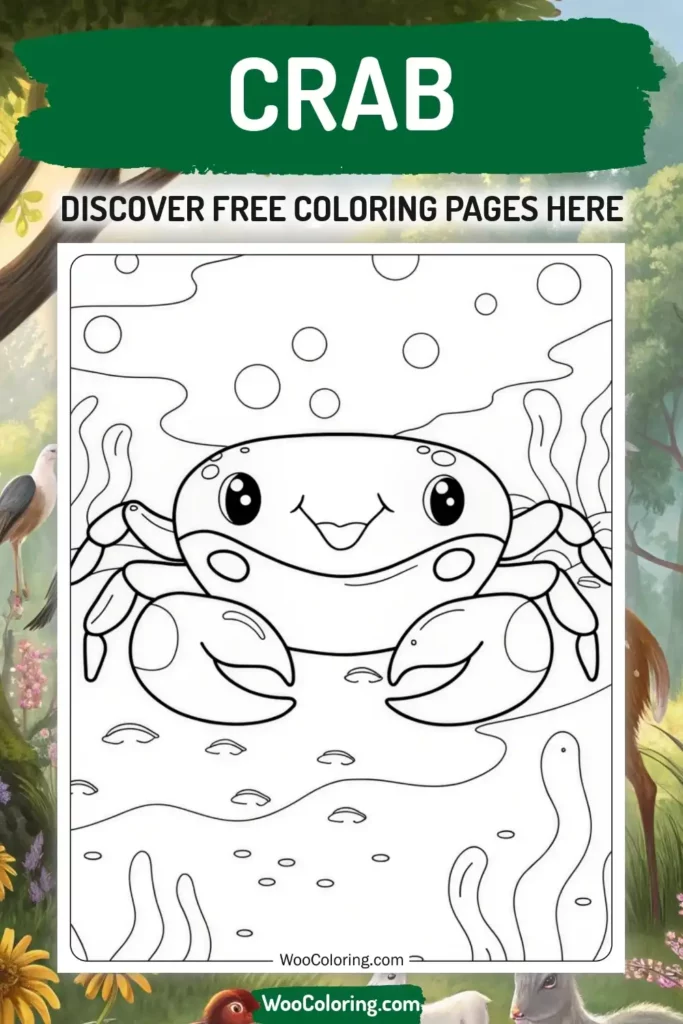
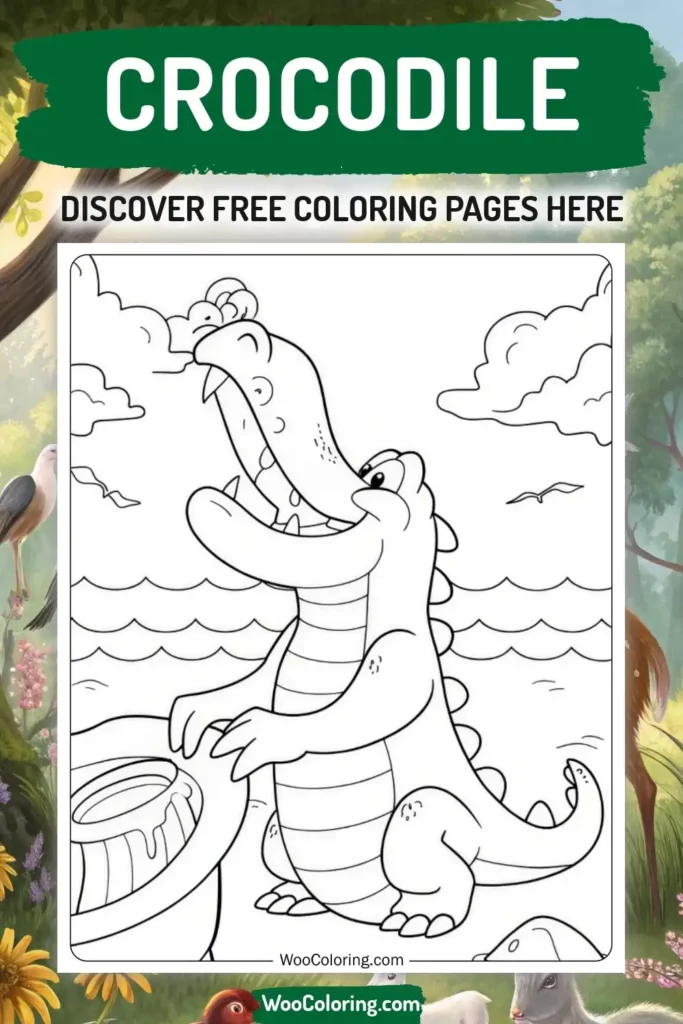
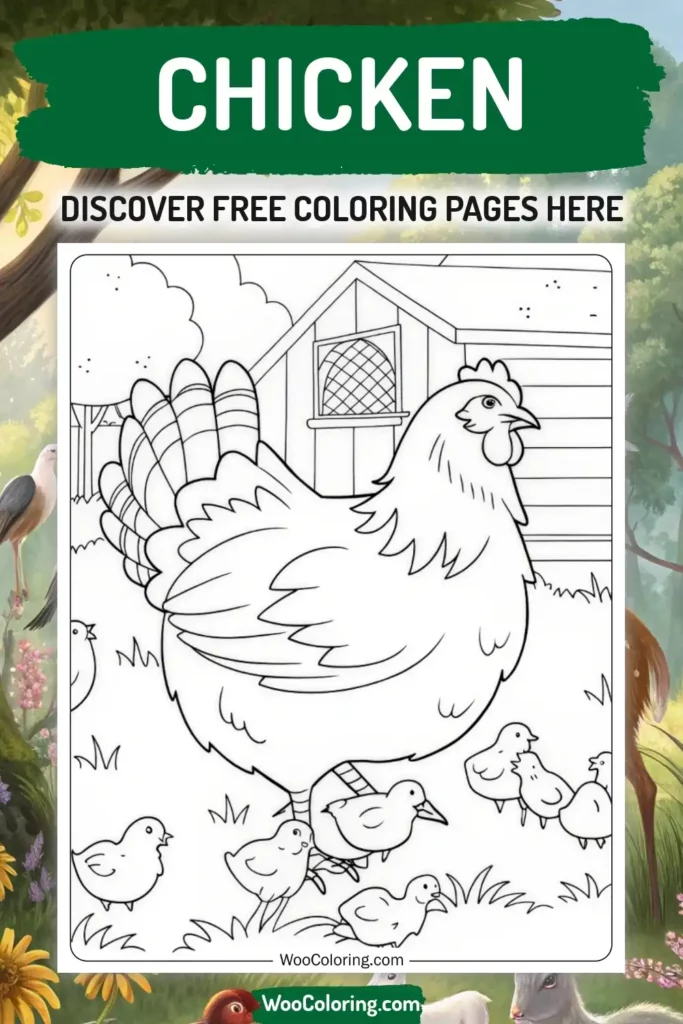
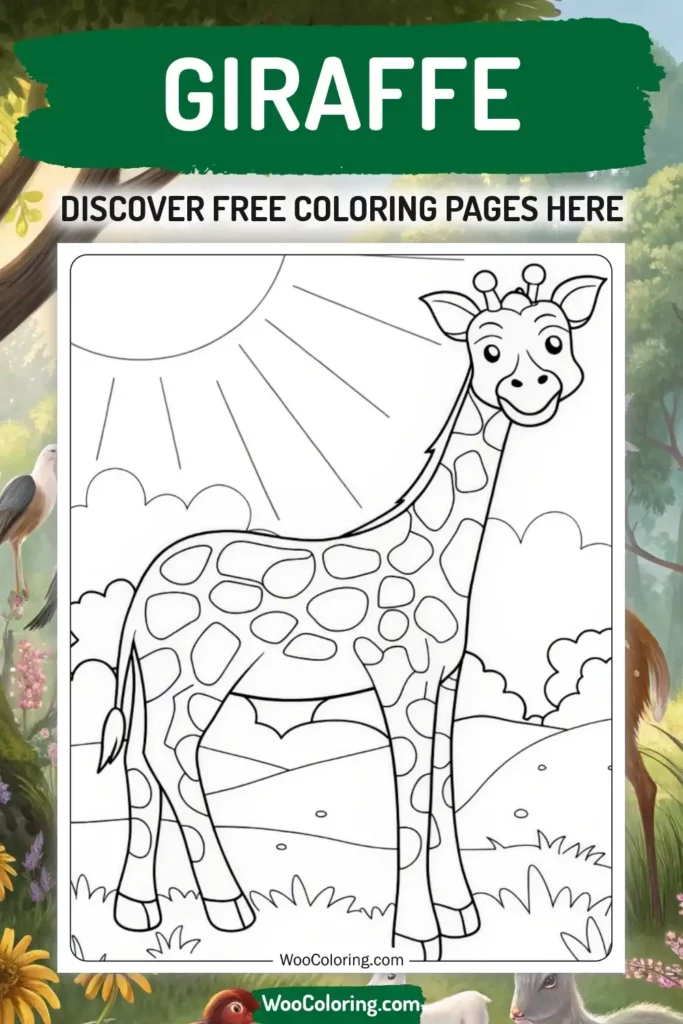
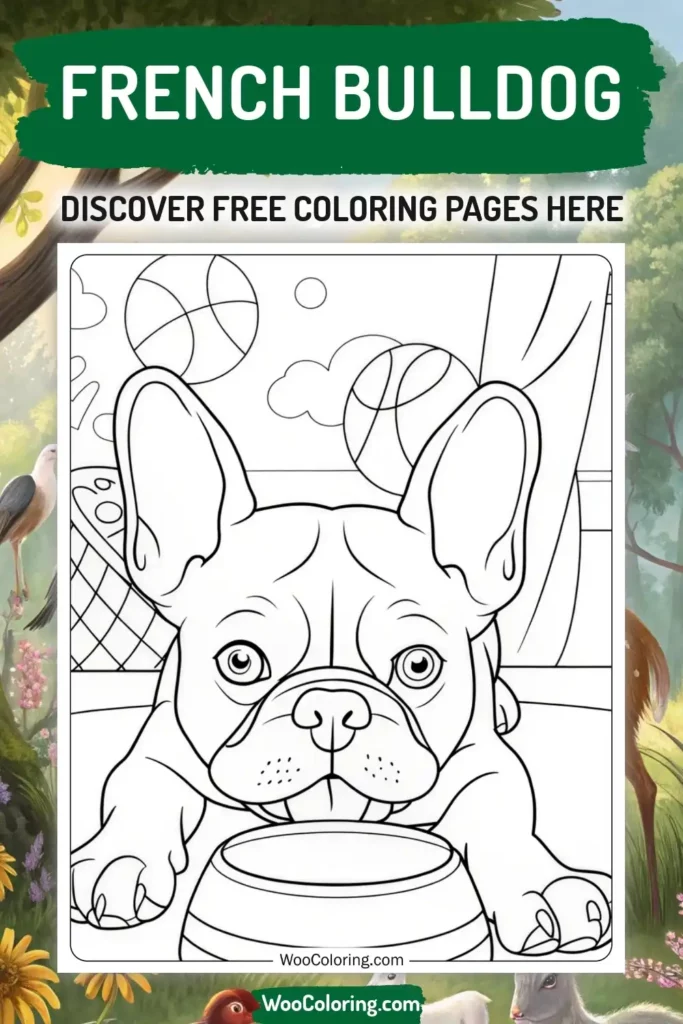
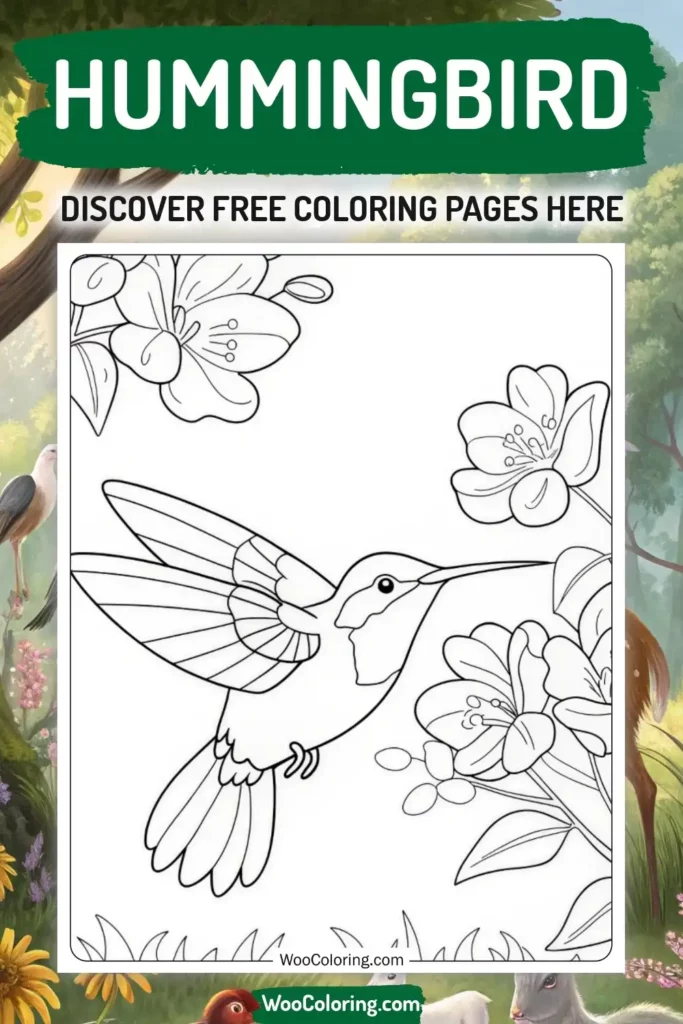
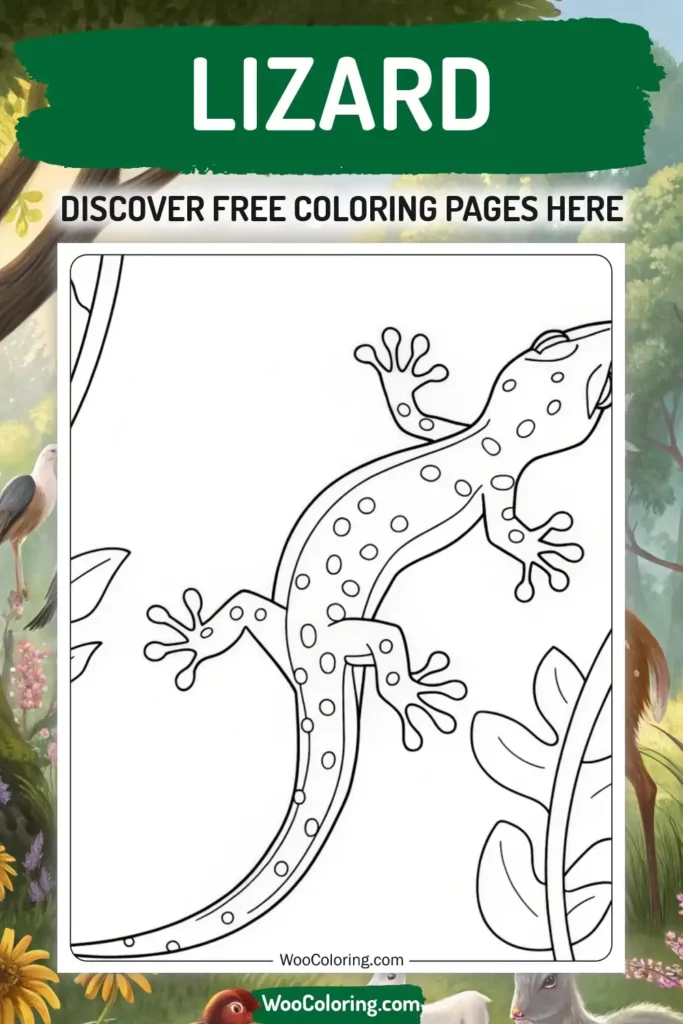
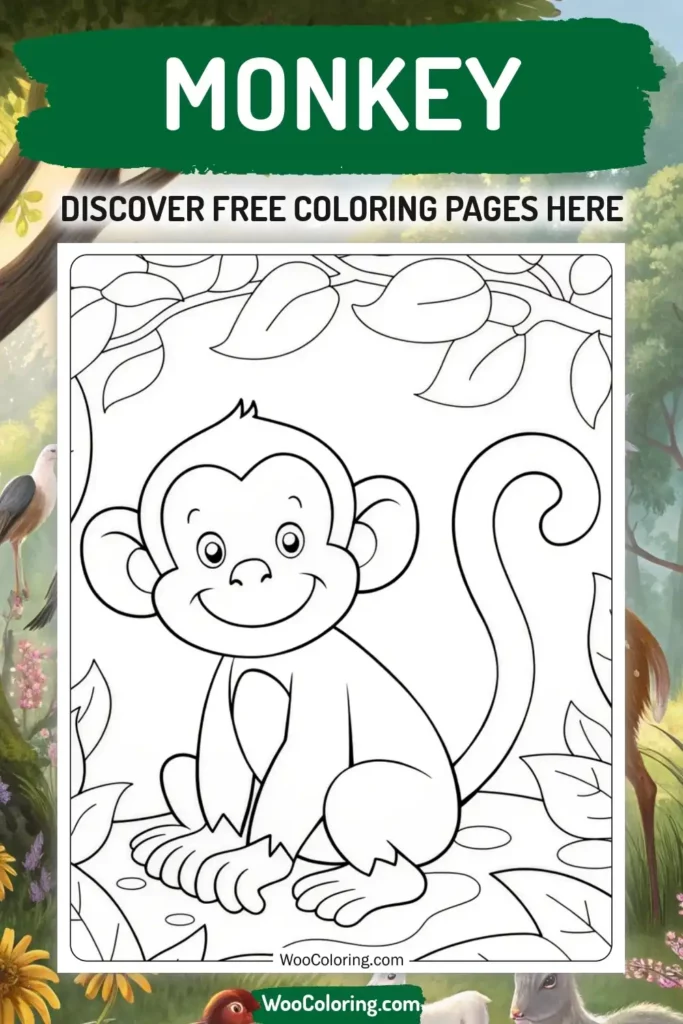
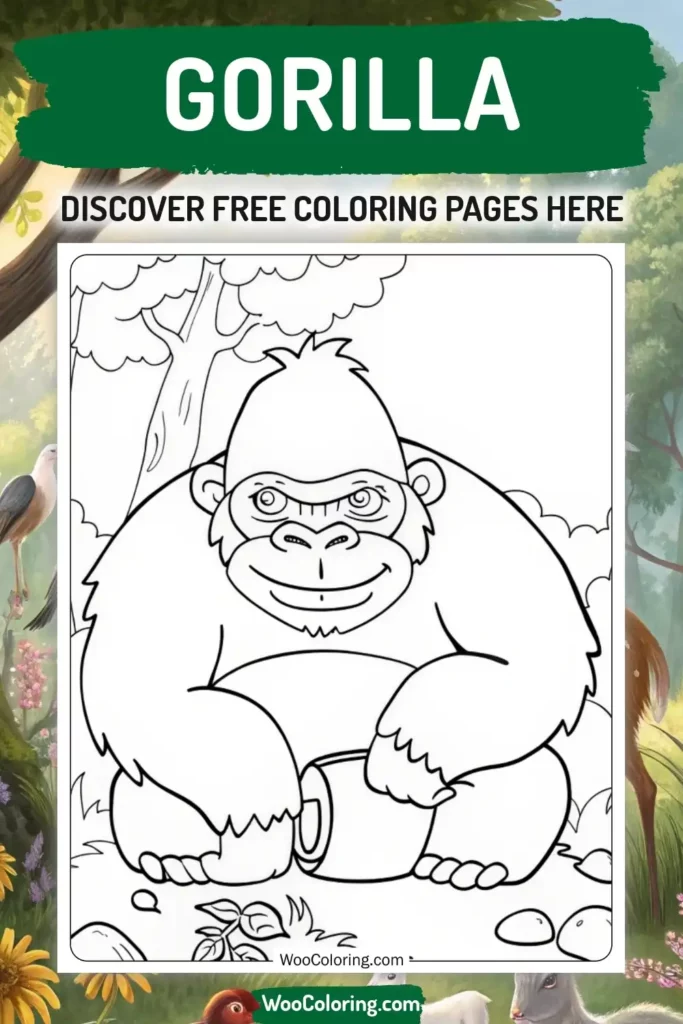
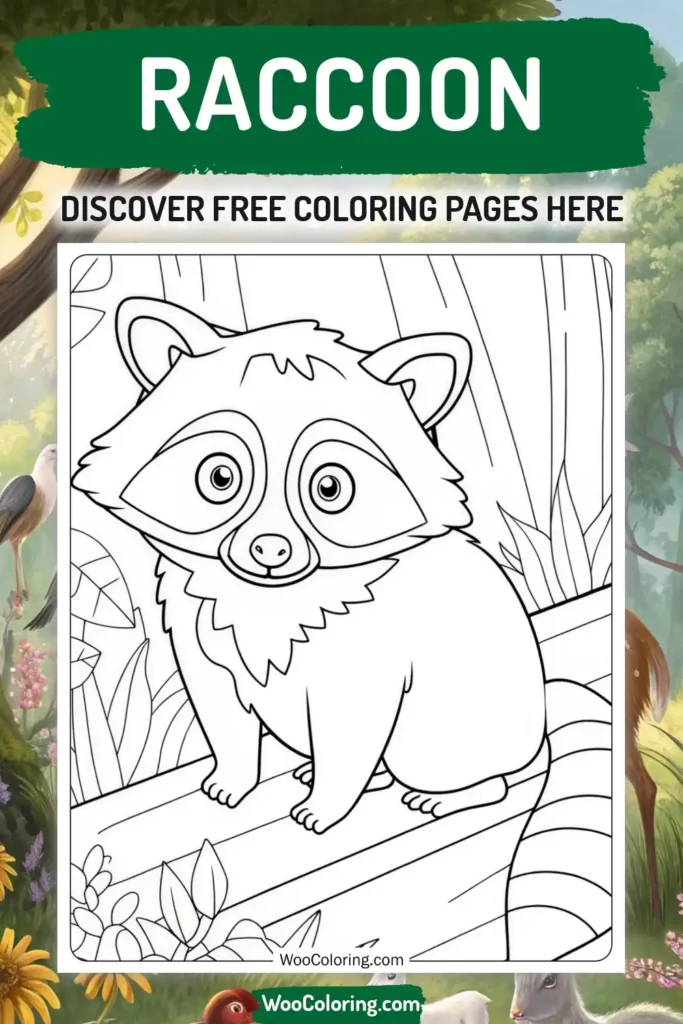
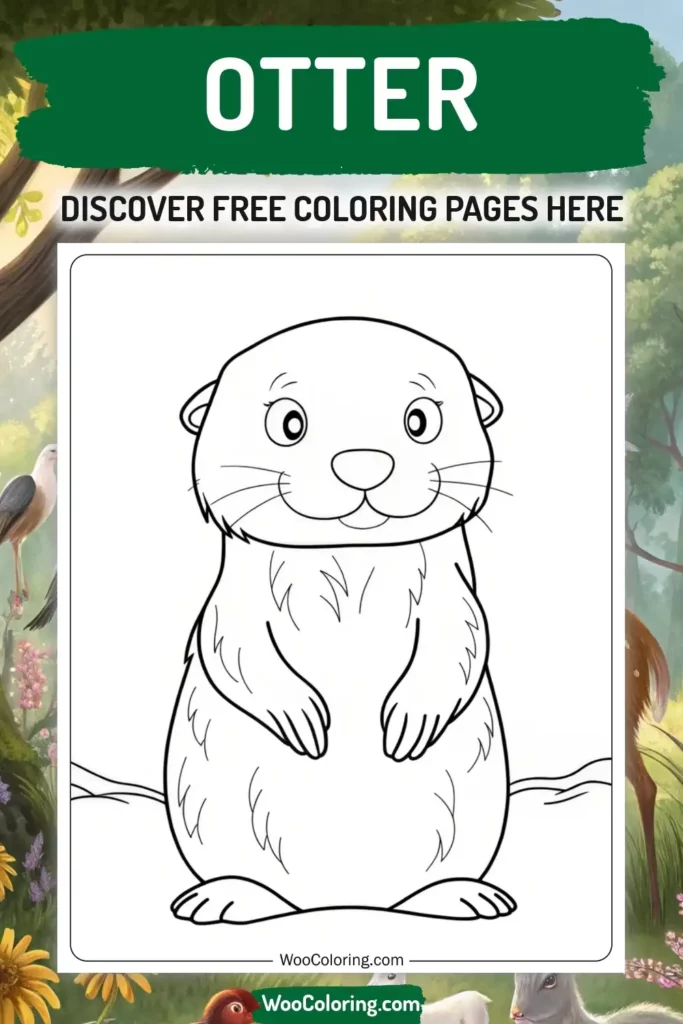
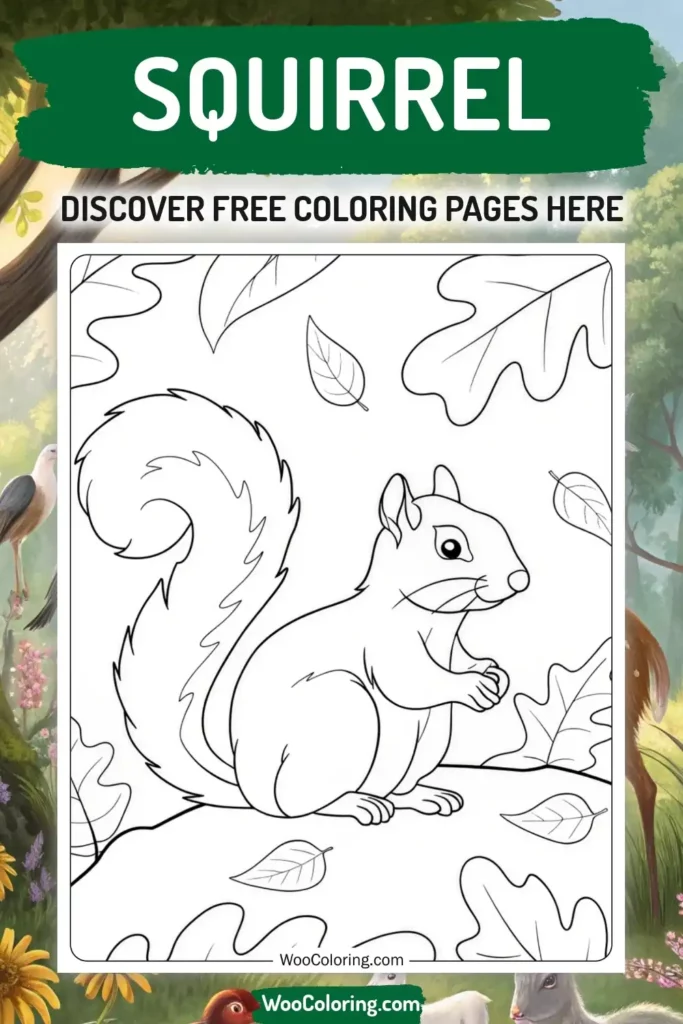
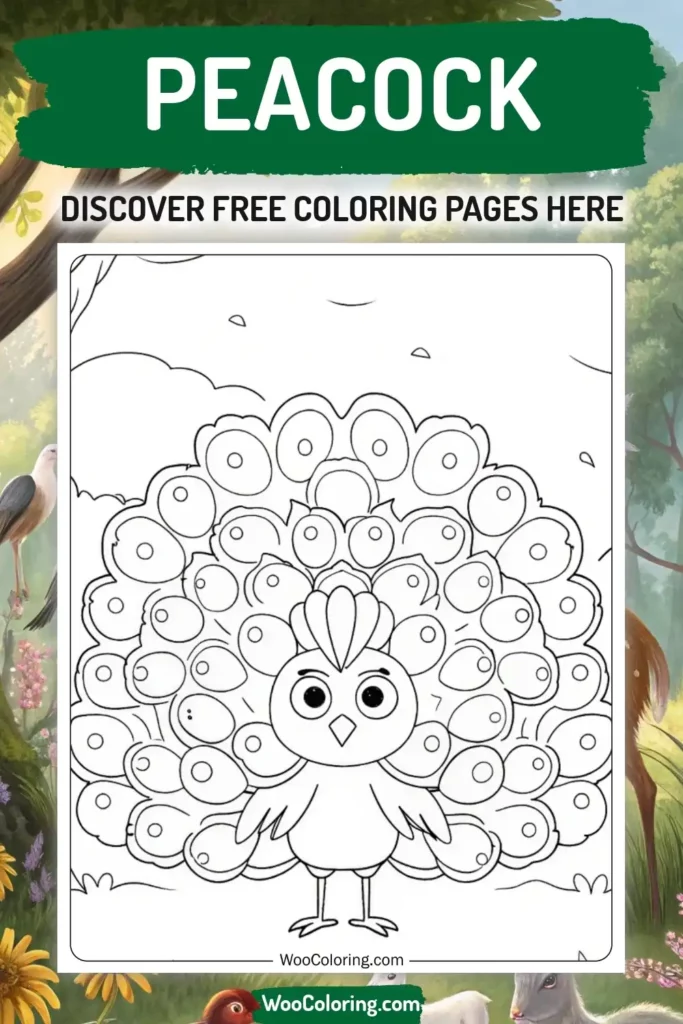
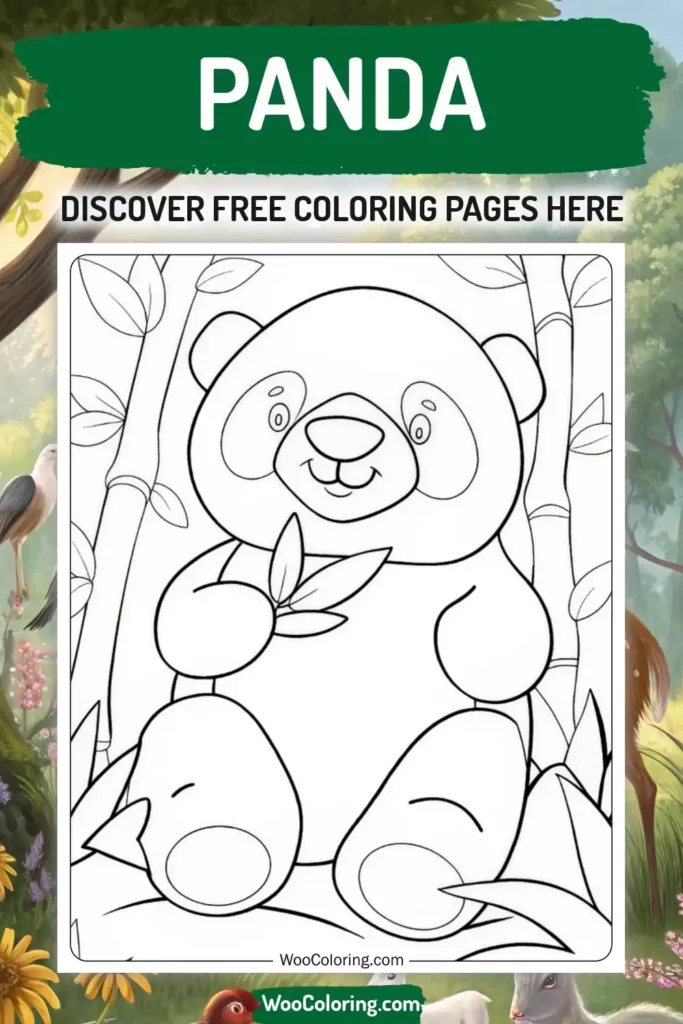
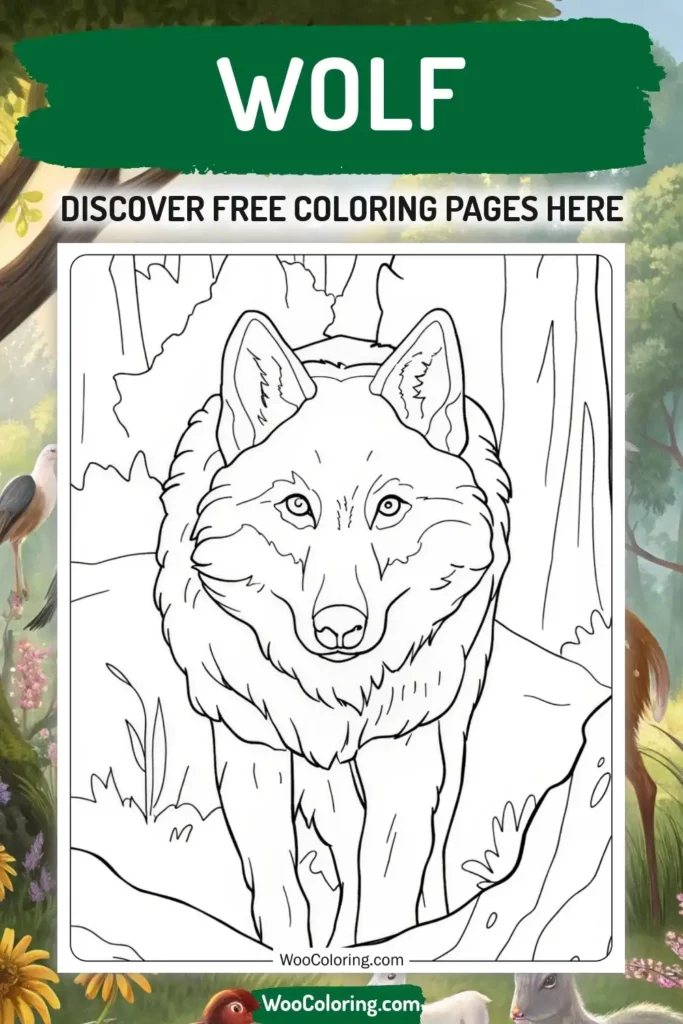
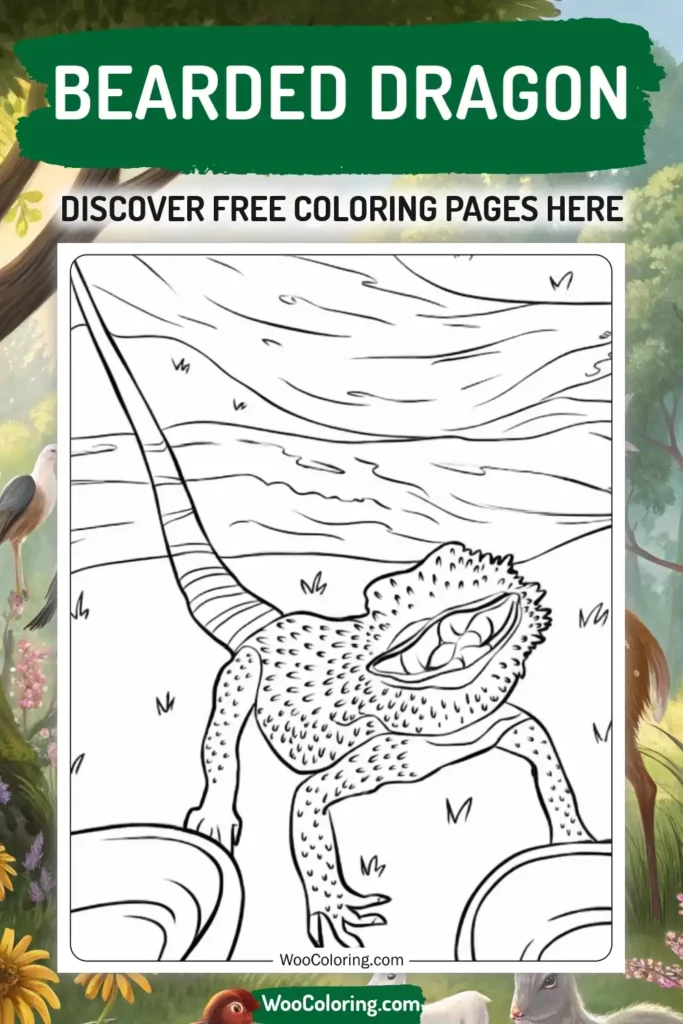
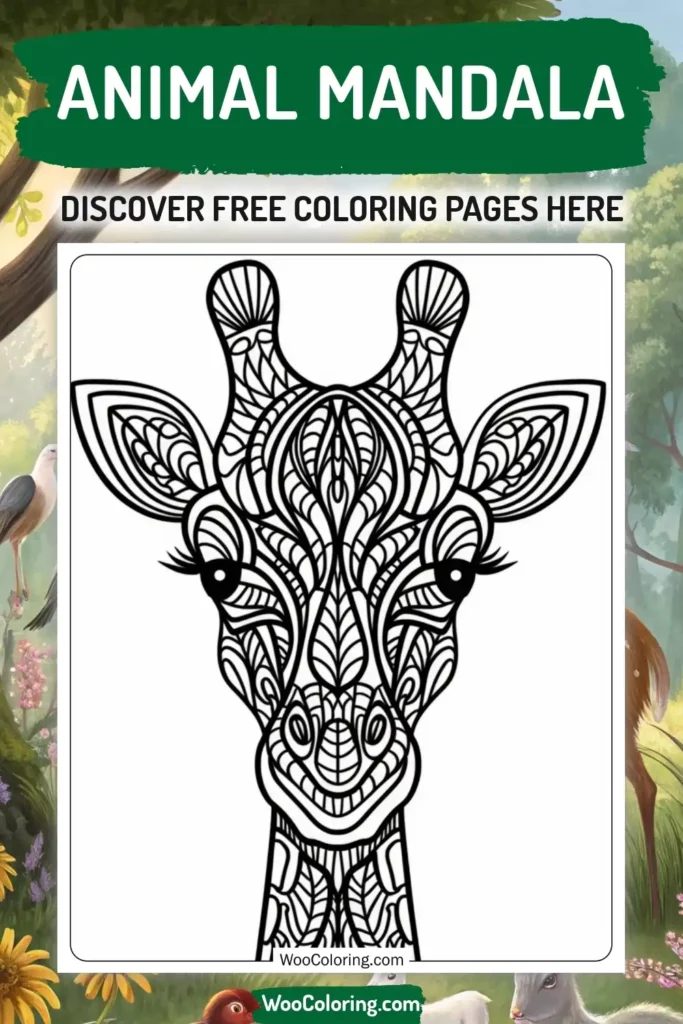
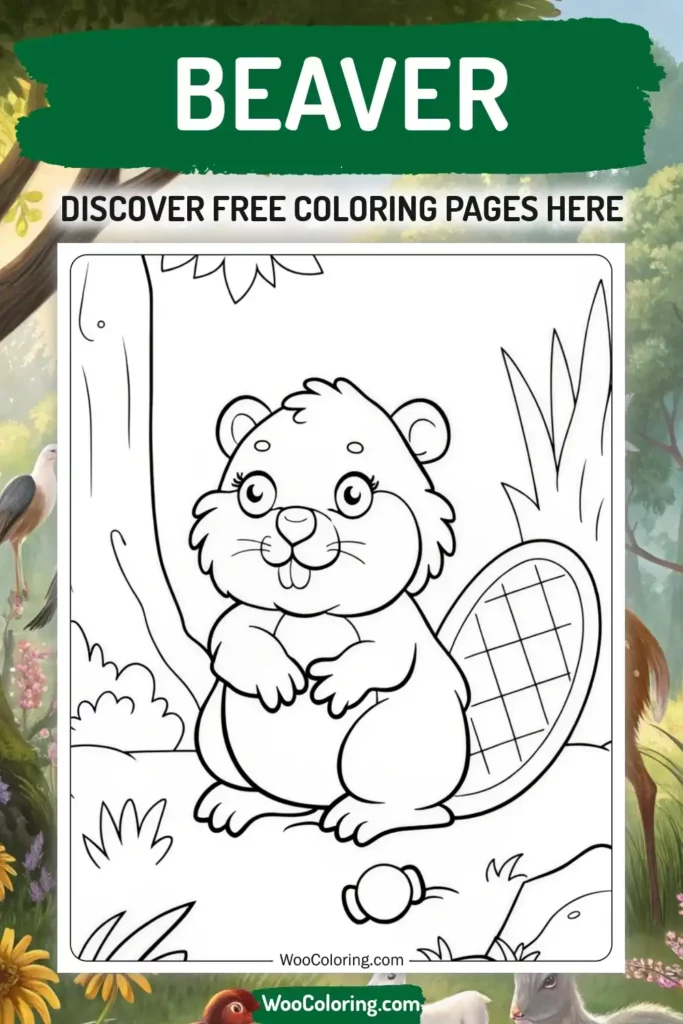
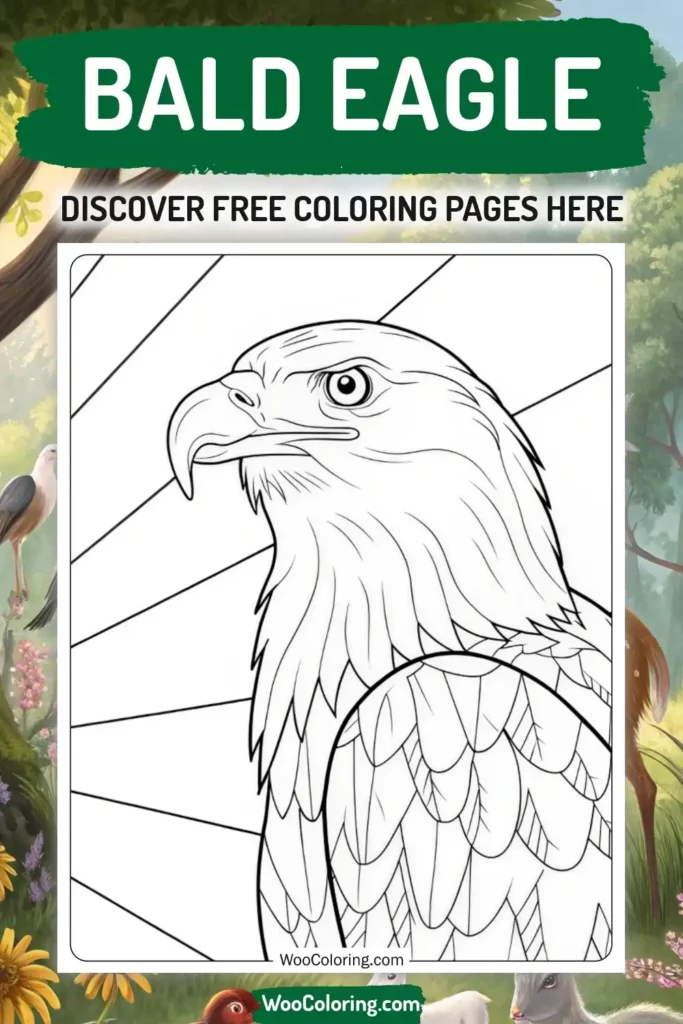
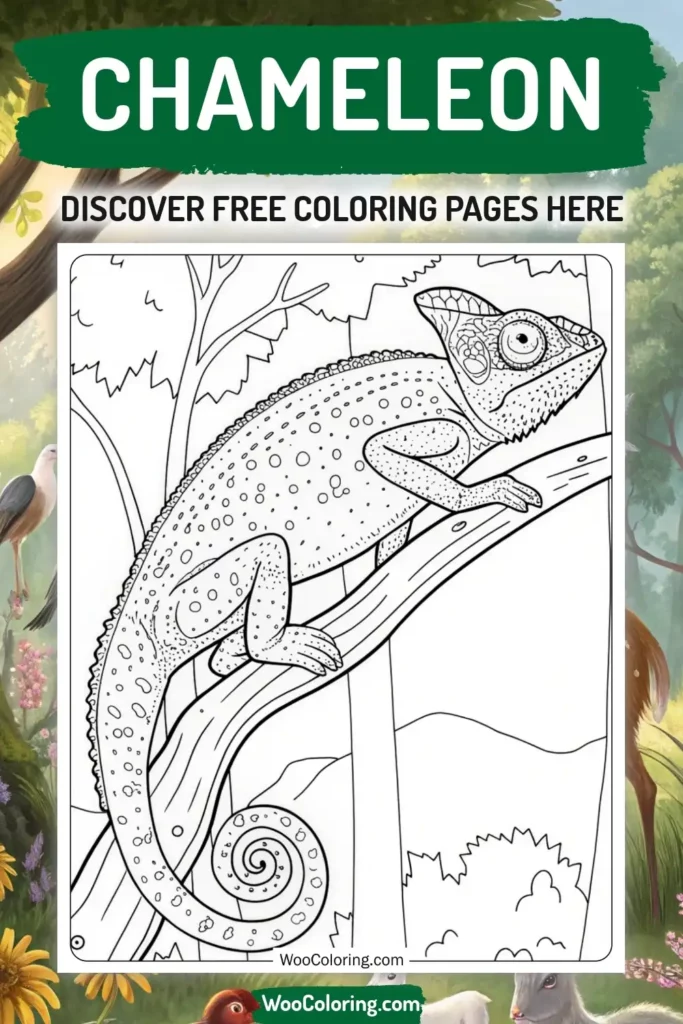
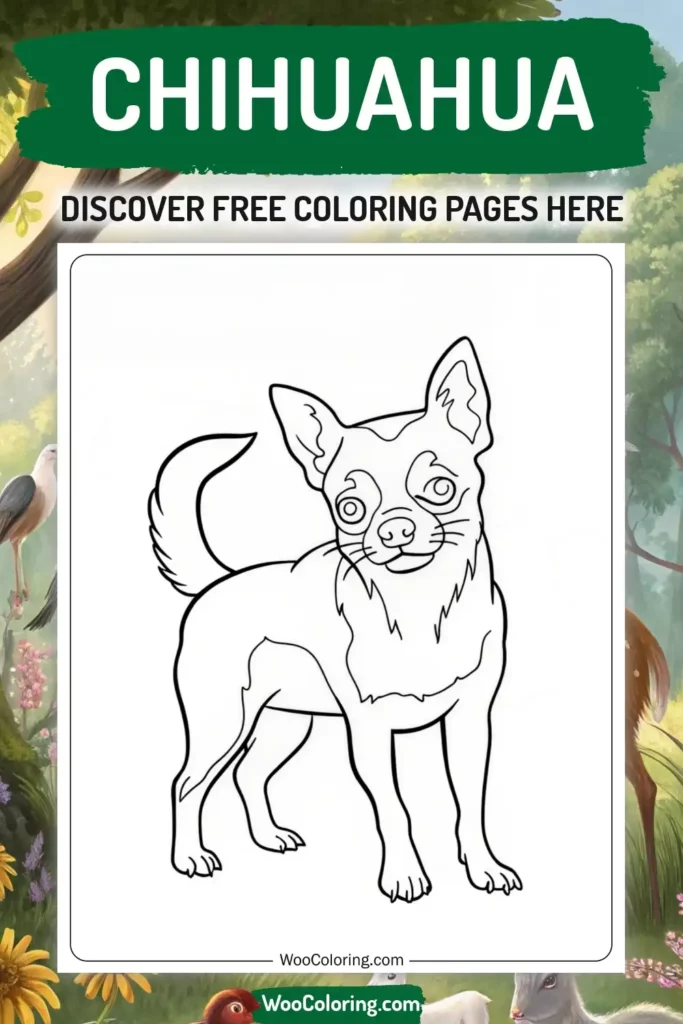
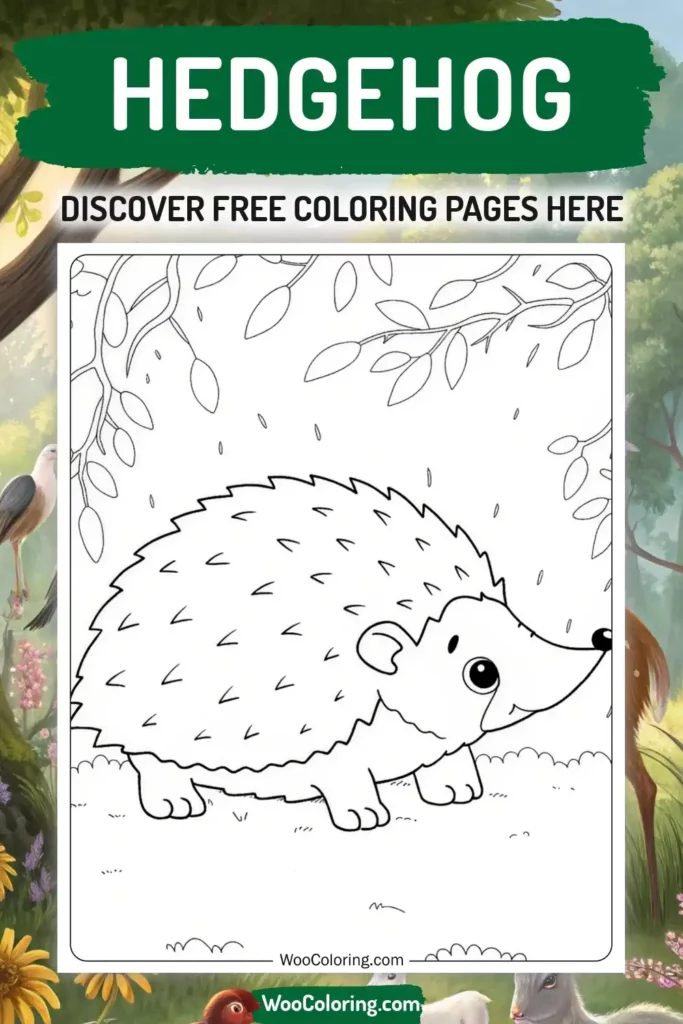
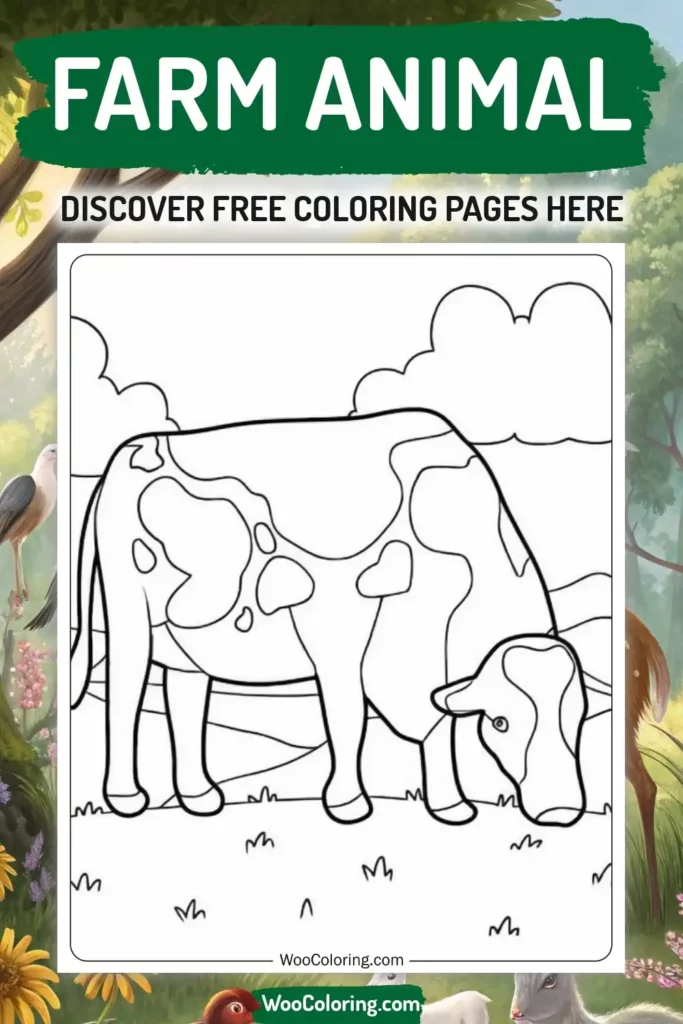
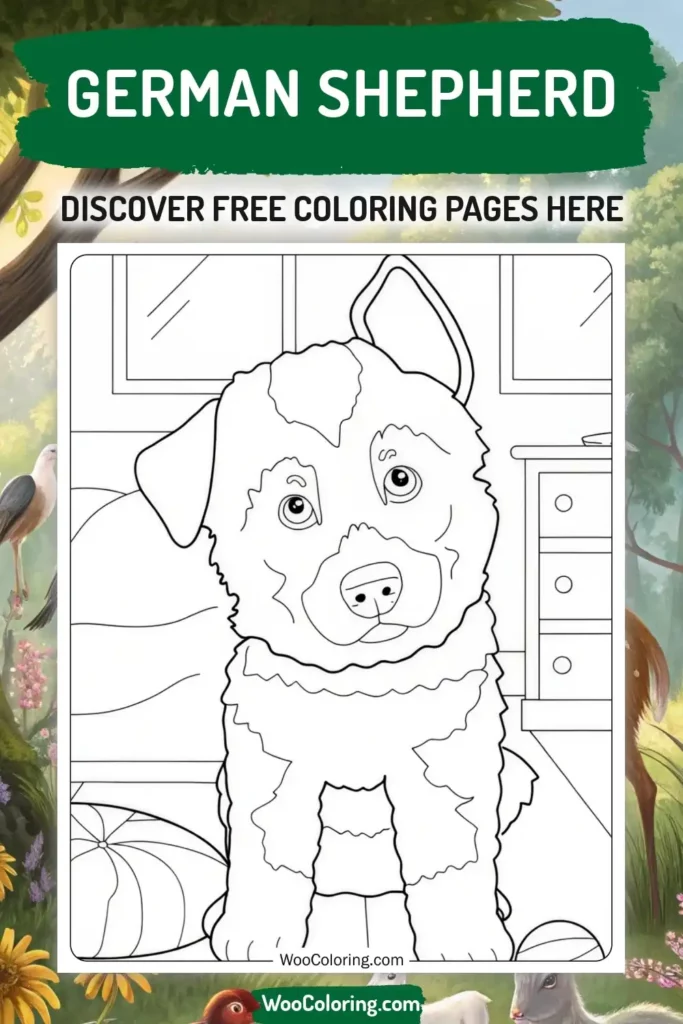
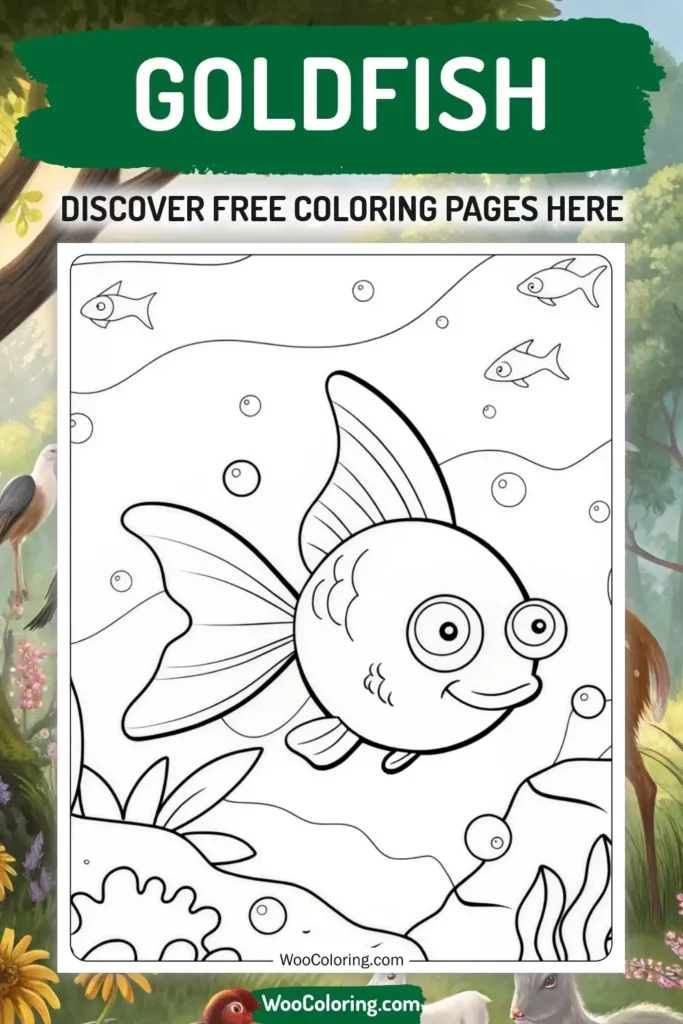
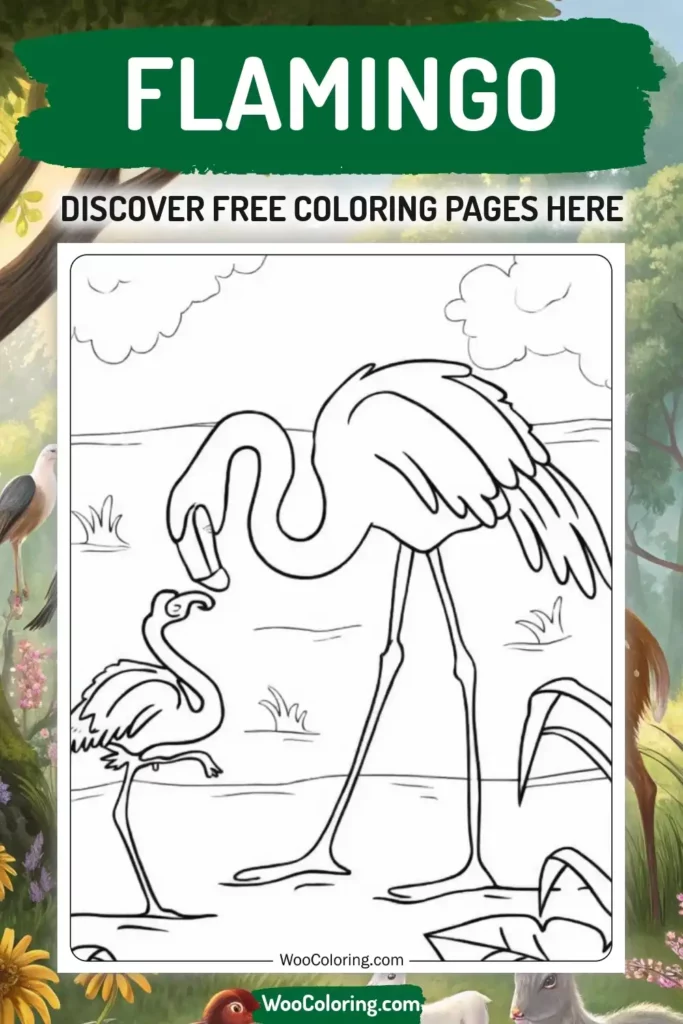
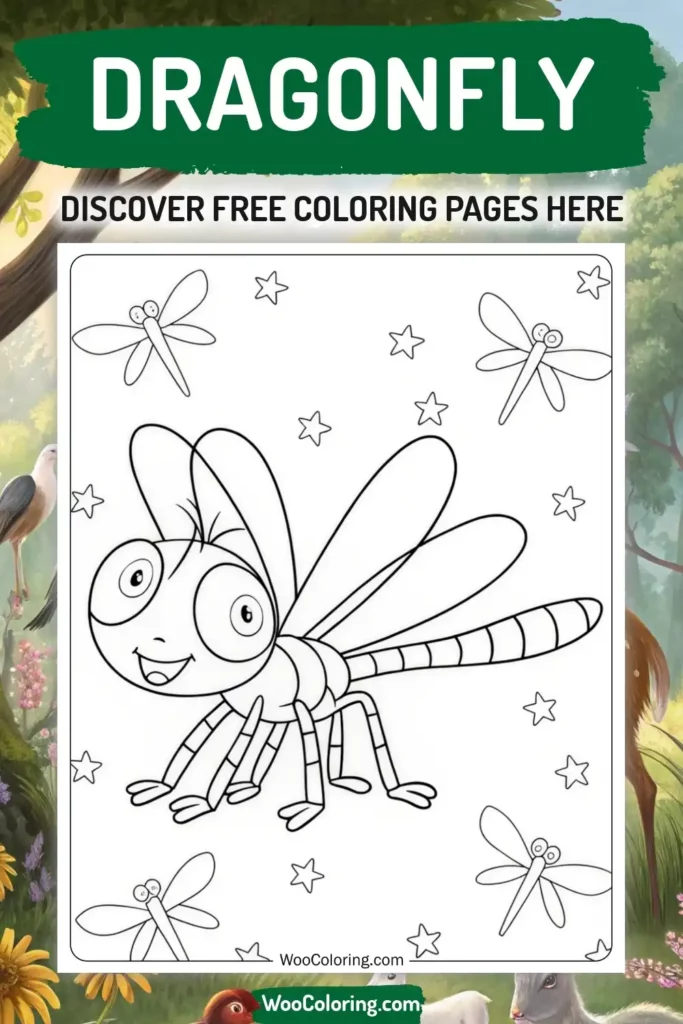
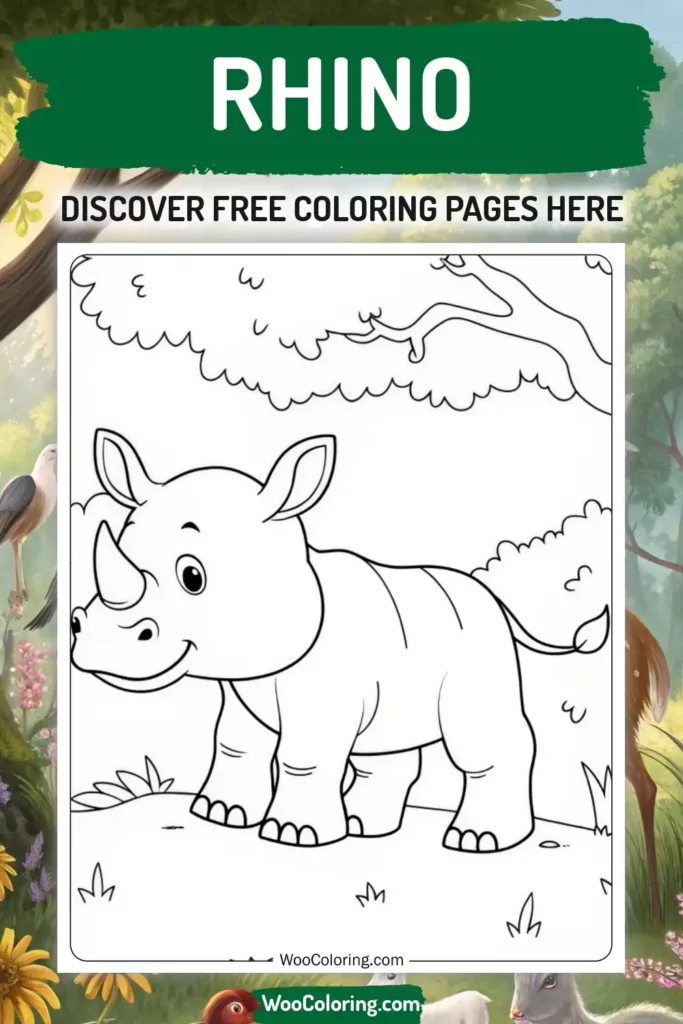
What I love most about these coloring sheets is the variety of animal characters you can find. From playful farm animals like horses, cows, and chickens to exciting safari animals, marine life, and even insects, there’s something for everyone. You can color vibrant birds tweeting in a tree or a majestic lion roaming the savanna. The possibilities are endless! These Animal coloring pages fit perfectly on standard US letter-sized paper, but they work great on A4, too. I keep adding new free coloring sheets, so keep an eye out for fresh designs to spark your creativity!
Drawing Instructions
Sketch the Head Shape
I start by sketching the basic head shape of my Cute Animal using the outline shown in image 1. I aim to create a rounded, soft shape that captures the friendly appearance of my character. It’s essential to keep the lines light at this stage, allowing me to adjust if necessary. I focus on ensuring a smooth and organic contour, preparing for the next details that I will add as I progress.
Add Facial Features
Next, I follow image 2 to incorporate the facial features. I create large circular eyes, which will give my Cute Animal a playful and adorable look. I add pointed ears on top, making sure they are proportionate to the head. The slight curve of the mouth enhances the friendliness of my character. Attention to these features is key, as they will define the expression of my Cute Animal.
Detail the Face
Referring to image 3, I refine the facial details further. I fill in the eyes with round pupils and add highlights for liveliness. I draw a small nose and mouth, ensuring they are charming and appealing. This step is crucial in bringing my Cute Animal to life, making adjustments to enhance its cute expression, which adds personality and character.
Outline the Body Shape
In image 4, I start outlining the body. I create an oval shape that connects smoothly to the head. Keeping the proportions balanced is crucial to give my Cute Animal a cohesive look. I ensure the body is cute and rounded, reflecting its character. This forms the foundation for the arms and feet that I will add later. I use light lines as well, staying flexible to make refinements.
Add Arms and Details
I move on to image 5, where I sketch the arms. I make them short and slightly rounded, adding small hands at the ends. This detail maintains the cute aspect of my Animal. I refine the tummy area, adding a soft texture by drawing gentle curves to indicate the fur. These small aspects contribute to the overall charm and playfulness of the design.
Complete the Legs and Feet
Next, I look at image 6 to finalize the legs and feet. The legs are drawn with simple oval shapes to ensure they appear friendly. The feet are rounded to match the theme of cuteness. I make sure everything appears balanced and appealing, essential for my Cute Animal’s design. Light lines are useful here for adjustments before moving on to color.
Add Tail and Final Touches
Now, in image 7, I sketch the tail, ensuring it’s bushy to match the body’s cute proportions. I add a few details to give it texture and character. This complements my character’s personality and enhances the overall design. I check back with previous steps to ensure continuity and consistency in my drawing.
Color Your Cute Animal
Finally, as shown in image 8, I proceed to color my Cute Animal. I often choose soft oranges and whites, which highlight its friendly nature. I use darker shades for the ears and tail to add depth. Blending my colors smoothly results in a more polished look. This step allows me to personalize my Cute Animal and watch it come to life.
Add Personal Touches to Your Coloring Page
Creating my cool coloring pages is about infusing personal touches. I can include background elements or patterns to make my artwork unique. In my coloring, I favor warm and light shades that enhance the playful charm of my Cute Animal. By applying blending techniques, especially around the facial area, I achieve softness and depth in my artwork. Experimentation with colors not only personalizes the animal but also reflects my artistic style. Enjoy making your own coloring book with this fun activity!
1. Animal Storytime
After completing an animal coloring page, craft a short story about the creature. This exercise fosters imagination as participants think about the animal’s adventures and surroundings. It allows for character development and plot creation, enhancing storytelling skills. By coloring first, individuals can visualize their characters better, making the writing process more engaging and personal while combining art with literacy in a simple yet effective manner.
2. Nature Scavenger Hunt
Choose an animal coloring page and design a scavenger hunt inspired by it. Make a list of items or natural elements participants should find related to the animal’s habitat, such as leaves, rocks, or flowers. This exercise encourages exploration of the outdoors and boosts observational skills. After discovering the items, use them in a DIY art project, creating a detailed collage alongside the colored animal images.
3. Matching Game
Print multiple animal coloring pages with different species and create a memory matching game. Color the pages, cut them into cards, and mix them up. Players take turns flipping two cards to find pairs. This exercise promotes memory retention, attention to detail, and friendly competition. It’s simple to set up and offers a fun way to learn about various animals, combining art with cognitive challenges in an interactive format.
4. Color Mixing Fun
Use an animal coloring page to teach color mixing. Before coloring, discuss primary and secondary colors. As individuals color their pages, prompt them to mix shades for different parts of the animal. This hands-on exercise enhances understanding of color theory and provides an opportunity for experimentation. Participants will enjoy making their creations more unique while learning about color relationships in a detailed and engaging manner.
5. Habitat Collage
After coloring an animal page, create a habitat collage. Use magazines, colored paper, or natural materials to assemble a background for the colored animal. This project promotes understanding of ecosystems and the importance of animal habitats. Participants learn about the relationship between animals and their environments while enjoying a simple DIY craft that combines artistic skills with environmental education in a fun, detailed way.
6. Animal Fact Sheet
After finishing a coloring page, research fun facts about the chosen animal. Create a fact sheet that includes interesting information, such as diet, habitat, and behavior. This exercise emphasizes research skills and encourages participants to learn and share knowledge about wildlife. It’s a simple, informative way to pair art with education, making the coloring experience more enriching and engaging for all ages.
7. Character Design
Encourage creativity by prompting individuals to design their own animals. After coloring a standard animal page, challenge them to invent a unique creature by combining features of different animals. This exercise nurtures originality and critical thinking. Participants explore characteristics and habitats while showcasing their artistic skills, resulting in detailed and imaginative creations that are fun to present and discuss with others.
8. Seasonal Coloring
Use animal coloring pages to teach about seasons. Choose an animal and ask participants to color it in settings representing different seasons—winter, spring, summer, and fall. This project encourages understanding of how animals adapt to seasonal changes. It’s a simple way to integrate art with science, enhancing knowledge and creativity through color while creating a detailed seasonal display of art.
9. Group Art Project
Create a large mural using multiple animal coloring pages colored by different individuals. This group project fosters collaboration and showcases diverse artistic styles. Once completed, hang the mural to create a vibrant display. It encourages teamwork and communication while allowing everyone to express their creativity in a detailed and meaningful communal art piece.
10. Animal Yoga
After coloring, introduce a yoga session inspired by the animal. Participants can mimic movements or poses associated with the creature, enhancing physical activity and mindfulness. This simple exercise combines art and movement, promoting well-being while reinforcing the connection to the animal. It’s an enjoyable way to engage both creativity and physical health through a fun activity that complements the coloring experience.